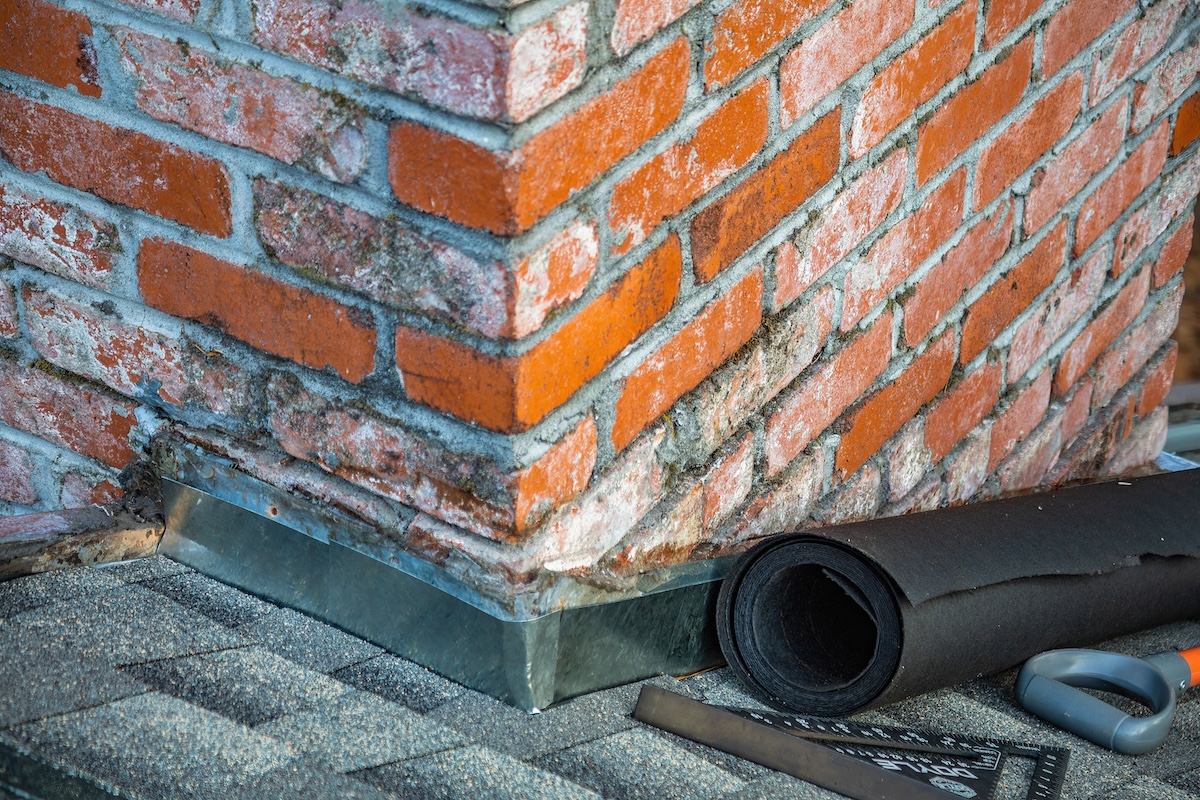
On Cape Cod, water is everywhere and comes at your home from all directions. Rain drives in off the Atlantic and the Bay at angles that would not occur to someone who has only built inland. Salt air works at every joint and seam in a structure whether it is raining or not. Nor'easters stack wind and water into conditions that test everything a building envelope is designed to do. And when winter arrives, freeze-thaw cycles open gaps that were not there in October.
The system that stands between all of that and the interior of a well-built home is flashing. It is not a common talking point, it’s invisible in the finished house, it doesn’t show up in the design renderings or the material selections a client spends months considering. Most people never think about it until something goes wrong, and by that time you’ve already started incurring costs.
At O'Neill Bowes, flashing is not an afterthought. It is one of the first things we consider on every coastal build we take on, and we have our own system of flashing that is pro-active considering the life of your home and above the standard any manufacturers suggest.
Flashing is the material placed at the vulnerable intersections of a building to direct water away before it can find its way in. Where a roofline meets a wall. Where a chimney or dormer penetrates the roof plane. Where windows and doors are set into the building envelope. Where two different materials meet and leave a joint that water will find if it is given the opportunity. At every one of those points, flashing is what stands between the weather outside and the structure behind the finish.
In a standard residential environment, a competent flashing installation is expected to perform reliably for decades. On Cape Cod, and along the coastal New England shoreline generally, the environment demands considerably more of standard flashing.
Salt air does its work before during and after storms, that is to say all the time. It is present year-round, and it accelerates the degradation of materials that perform perfectly well in less corrosive conditions. Nor'easters drive rain horizontally, forcing water into gaps that vertical rainfall would never reach. Freeze-thaw cycles, which coastal New England produces reliably every winter, expand whatever small openings exist and widen them for the next cycle. Proximity to tidal water keeps ambient humidity at levels that inland construction never contends with, meaning moisture is working at the building envelope even on dry days.
Together, these conditions mean that flashing on a coastal build is a system, and it has to be designed as one - it’s not a simple material decision.
Flashing failures won’t announce themselves, which is part of what makes them so expensive.
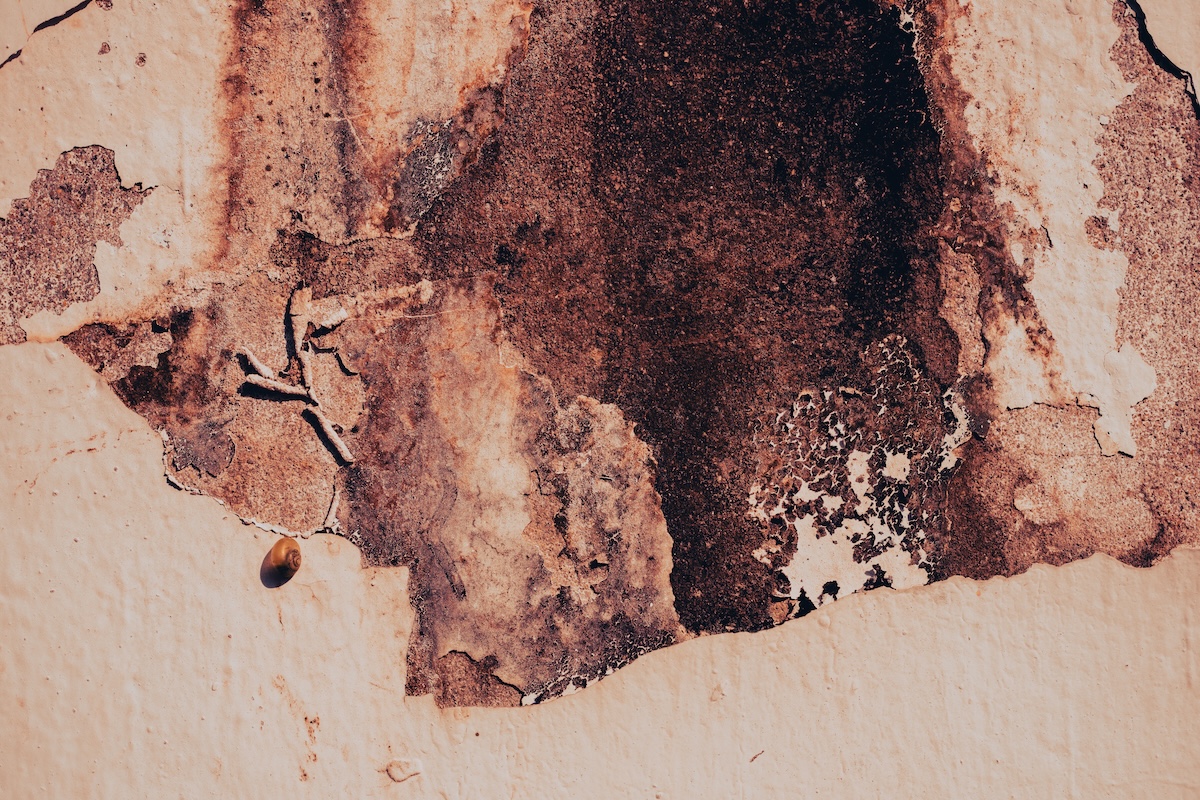
Water that finds its way past an improperly detailed window head does not immediately appear as a stain on the interior wall. It travels. First, it will follow the path of least resistance through the building assembly, wicking into framing, insulation, and sheathing before it surfaces somewhere that likely has nothing obvious to do with where it entered. By the time a homeowner notices something is wrong, the damage behind the finish is frequently well ahead of what’s visible.
The failure points on a coastal build are specific and predictable. Window and door openings are among the most common: when the rough opening is not properly detailed before installation, or when the flashing at the head is not lapped correctly over the water-resistive barrier, water can find the gap during the first nor'easter that tests it. Chimneys and dormers are particularly vulnerable because they penetrate the roof plane at angles that collect water and require flashing details that have to be executed precisely to perform. Ice damming at the eaves, common in coastal New England winters, forces water back up under roofing material and into the building assembly through openings that would be inconsequential under normal drainage conditions.
The cladding on a house can look perfectly intact while the structural framing behind it is quietly deteriorating. That is the particular cost of treating flashing as a field decision rather than a designed system: the house looks fine until it does not, and by then the repair necessary outpaces the outward indicators, potentially making it a significant undertaking.
Our preconstruction process and OBB’s particular flashing standard exists, in part, to make sure none of that is waiting for a client in year three or year five of owning a home we built.
Building codes establish a floor. They define the minimum standard a structure has to meet to be considered acceptable. On Cape Cod, the minimum is not the goal, and when it comes to flashing, it is not truly sufficient.
Standard residential flashing practice is designed for average conditions. The Cape is not (in almost any way, we’re proud to say) average, and the difference in our conditions is not marginal.
Salt air is corrosive to aluminum and many of the flashing materials that meet code and perform adequately in less demanding environments. What holds up reliably for twenty years in a suburban neighborhood an hour inland can show meaningful degradation in five years within a mile of tidal water. The material specification has to start from that reality, not from what the code requires.
Nor'easters generate wind-driven rain that does not behave like vertical rainfall. It finds gaps that normal precipitation doesn't test, driving horizontally into every joint and transition in the building envelope. A flashing detail that performs fine in a standard rain event can fail completely under those conditions if it was not designed with them in mind.
The freeze-thaw cycle compounds everything. Water that seeps into a small opening expands when it freezes, widening the gap for the next event. Over a coastal New England winter, that cycle repeats enough times to turn a minor imperfection into a significant vulnerability.
Humidity near tidal water means moisture is present and working at the building envelope on days when it has not rained in a week. The margin for error in this environment is genuinely smaller than it is inland, and the specification and execution have to reflect that.
The first decision is material. On a coastal build, copper, lead coated copper, and marine grade stainless steel where conditions specifically call for it, are the standards that hold up against salt air over the life of a house. High-quality self-adhering membranes at the critical transitions, window and door openings, eaves, valleys, and roof penetrations, provide a level of protection that basic code-compliant products are not designed to deliver in this environment. The material cost difference is real, yes, but it is not the place to recover budget on a high-end coastal home.
The second decision is when. Flashing is not a field decision at OBB. It is a preconstruction decision. Jim Stokes works through each build in BIM before construction begins, which means the vulnerable intersections of the structure are identified and detailed at the plan stage rather than figured out once framing is underway. The chimney penetration, the dormer transitions, the window head conditions, all of it is resolved on paper before a crew arrives on site.
That matters because flashing is sequence-dependent in a way that makes field improvisation costly. It has to be installed at the right stage of construction or the work that follows compromises it. Knowing how to layer each component correctly, whether that means folding it under the weather resistive barrier at the right orientation or lapping it correctly over adjacent materials and planes, is as important as the material itself. A superintendent who understands that sequence and holds it through the build is as important to the flashing system performing correctly as the material specification itself.
Part of our conversations, every time, is how the installation will behave not just on day one but when a window or door eventually needs to be repaired or replaced. We detail with that day in mind, so that the flashing system works with the next tradesperson rather than against them. On a house built to last, that is part of what building it right actually means.
We also work closely with the architect throughout this process. The details that protect a coastal home from water intrusion have to be specified correctly at the design stage, and that requires a builder and architect who are solving the problem together rather than handing it off at the construction documents.
As we’ve established, a well-built coastal home involves dozens of decisions that never show up in the design renderings. Flashing is one of the most important of them. These are the questions we will ask our clients if they don’t bring them to us first.
What flashing materials are you specifying for this site, and why? On a coastal build, the answer should reference copper, lead coated copper, or high-quality self-adhering membranes, with marine grade stainless available for specific applications. If the answer is whatever meets code, that is worth following up on.
How are the window and door rough openings being detailed before installation? The opening has to be properly prepared before the unit goes in. This is not a decision that should be made in the field.
What is the plan for ice and water shields at the eaves and valleys? In coastal New England, this is not optional.
How is chimney and dormer flashing being integrated with the roofing system? These are the penetrations that fail most often and cost the most when they do.
And finally: how much of this is being resolved in preconstruction versus decided once the crew is on site? The answer tells you a great deal about how the builder actually works.
A well-built home on Cape Cod starts with decisions that never make it into the design presentation. Flashing is one of the most consequential of them, and it is one that separates builders who understand this environment from those who are applying standard practice to conditions it was not designed for.
At O'Neill Bowes, our preconstruction process, material standards, and field execution are built specifically around the coastal conditions we work in every day. We have been thinking about water, salt air, and nor'easters since before the first nail goes in, and that is reflected in every house we raise.
If you are planning a custom home on Cape Cod and want to talk through how we approach it, we would be glad to hear from you.
Call our office anytime: 508-419-2622.
Flashing is invisible in the finished house and absent from every design rendering, but it is the system that stands between the coastal environment and the interior of a well-built home. On Cape Cod, it is among the first things a builder should be thinking about.
Building codes define a floor, not a goal. On Cape Cod, the gap between code compliance and genuine coastal durability is meaningful, and flashing is where that gap shows up most directly.
Flashing failures are insidious precisely because they are invisible until they are expensive. The failure points on a coastal build are specific and predictable, which is what makes them preventable with the right process.
OBB's approach to flashing is defined by material standards above code, preconstruction resolution of every critical detail, and a long-term view of how the installation will perform not just on day one but over the full life of the home.
These are the questions OBB will raise with clients if they do not bring them first. They are also the questions that will tell you the most about how a builder actually approaches a coastal build.
A well-built coastal home starts with decisions that never appear in the design presentation. OBB's flashing standard is one of the clearest expressions of what building for this specific environment actually requires.