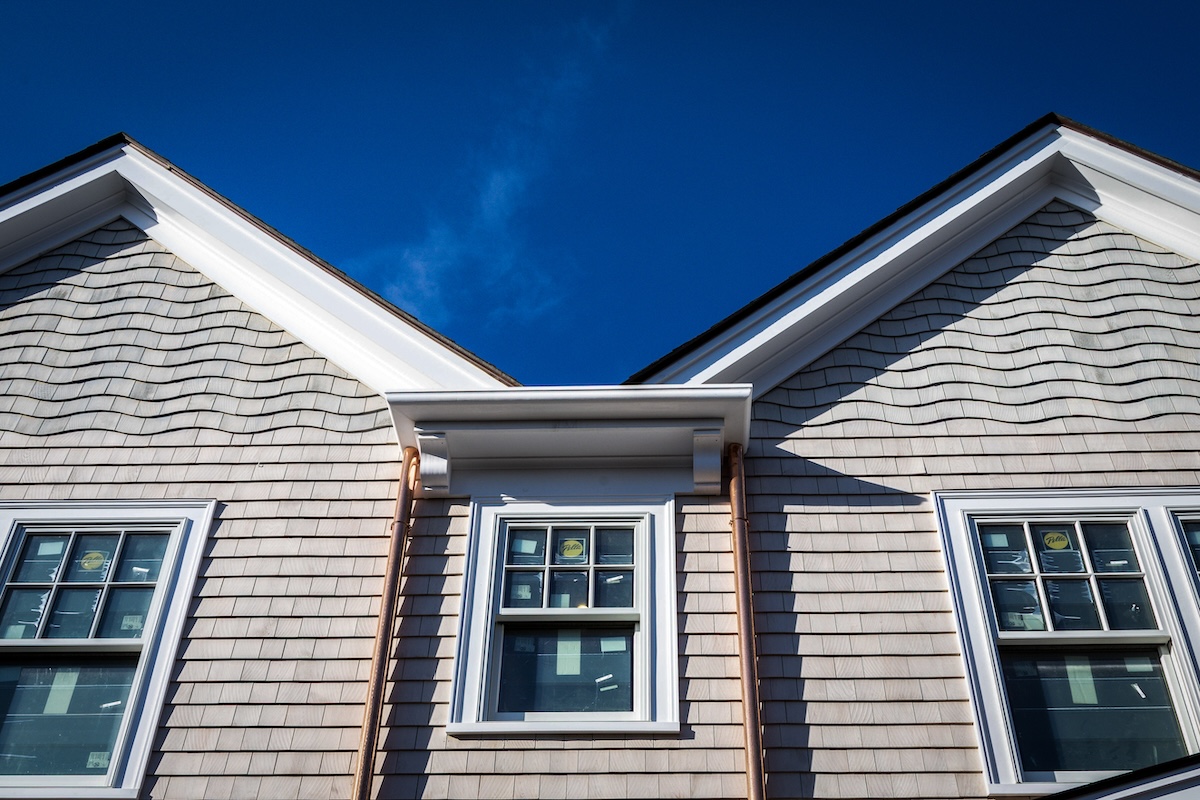
Classic Cape Cod-style homes have their own look - steep pitched roofs, symmetry, a distinct charm - but one thing owners may run into is low ceilings and tight headroom, especially in the older or historic renovations. This means 7 to 8-foot ceilings in a lot of cases, which feels cramped today. When you add modern mechanical systems, ductwork, or updated insulation (that can sometimes need up to 10–12 inches for energy code compliance), those low attics or upper floors become even harder to use. Renovations often hit a wall: you want more usable space upstairs, bigger bedrooms, or lofts for kids, but the roofline and exterior details (windows, pitches, shingles) make it tough to change without losing the original character. Even in new builds, holding onto traditional Cape, Colonial, or Gambrel aesthetics while getting 10+ foot ceilings is a balancing act for architects.
The good news is there are practical ways to solve height constraints without sacrificing the home's look or your vision. O'Neill Bowes has tackled this on dozens of projects over 25+ years of combined experience we have on Cape. We focus on approaches that add usable headroom and space while preserving (or even enhancing) the classic style - always adapting to whatever materials, design direction, or client preferences you have in mind. No one-size-fits-all here; we work with what the house and the regs allow.
In this article, we share 5 approaches to solving height constraints in Cape Cod-style homes. These come straight from real jobs, including historic renovations and new builds. We'll cover adding shed dormers for attic space, raising the roofline for cathedral ceilings and mechanical room, strategic dormer placement with aesthetic matching, handling town/zoning height limits and workarounds, and hybrid solutions that deliver lifestyle wins like lofts or better play areas.
These methods let you get the taller, more comfortable spaces people expect today—without turning your Cape into something it was never meant to be.
When people come to us with height and headroom frustrations in classic Cape Cod homes, one of the first things we talk about is adding a shed dormer. It's the most common and straightforward solution we use, especially on historic renovations or older Capes where the attic or upper floor feels too cramped for modern living.
The problem is simple: traditional Cape roofs are steep and come down low, often leaving knee walls that are only 3–4 feet high and ceilings that feel low even in the center. That limits usable space upstairs - bedrooms can end up tight, storage may be awkward, and adding things like HVAC or insulation eats into what little headroom is there. A shed dormer fixes that without revamping the entire roof or changing the home's overall look.
Here's how it works: we raise the knee walls (the short vertical sections under the roof slope) and extend a flat or slightly sloped roof out from the main pitch. This adds real headroom - often turning a 7-foot max ceiling into 8–9 feet or more over a usable area - and creates extra square footage without touching the main roof structure. The shed style blends naturally with Cape architecture; it looks like the house has evolved over time rather than been heavily remodeled. That's important for historic districts or neighborhoods where keeping the original character matters.
In practice, we've done this on many projects. A typical historic renovations might have a pitched gable roof with a cramped attic. Adding one or two shed dormers on the back or side opens up the space for a bedroom, office, or play area without losing the exterior charm. The architect designs it to match the existing roof pitch and trim, using similar shingles and window styles so it feels like it was always there. From the street or neighbors' view, we want this to look subtle, organic.
This approach is popular because it's relatively low-impact compared to a full roof raise. It doesn't require as much structural work, keeps costs down (no complete re-roofing unless the existing roof is deteriorated), and complies with most zoning height limits since you're not pushing the peak higher. The result is a more comfortable, usable upper level that fits how people live today - without turning a classic Cape into something it wasn't meant to be.
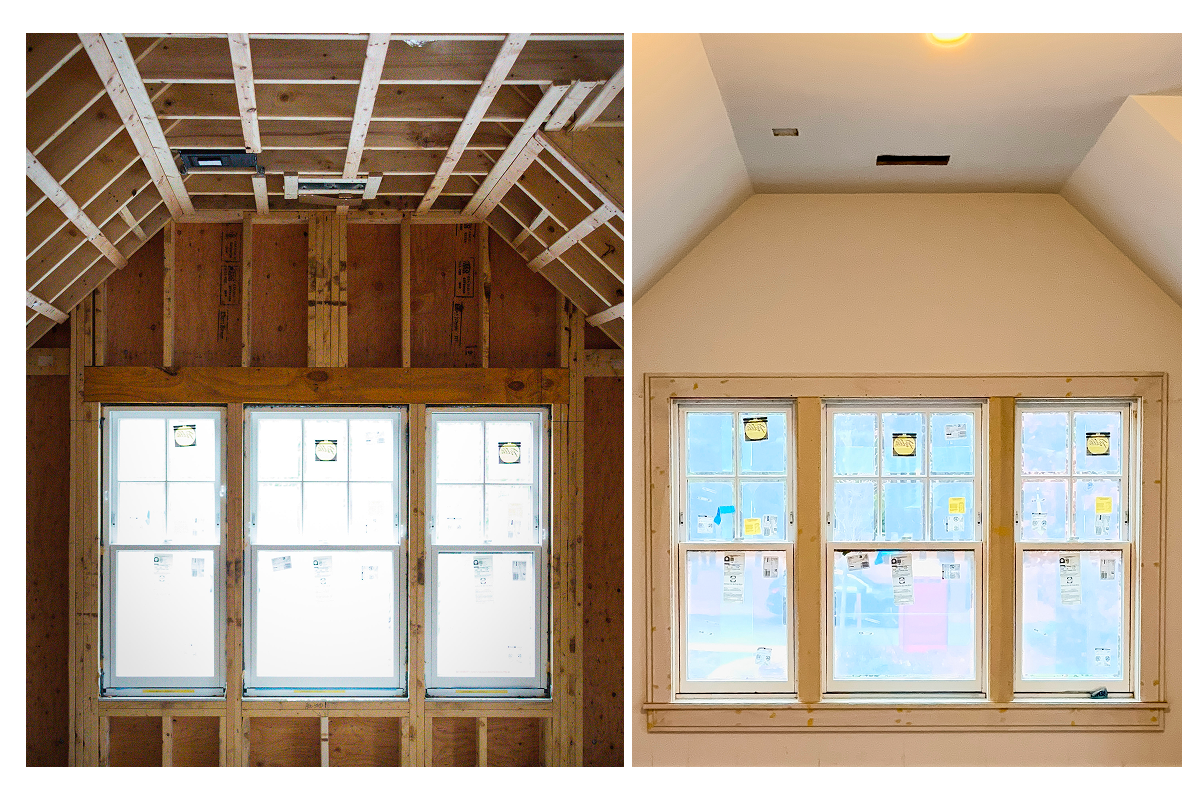
If the attic or upper floor in a home is too tight for modern use - low ceilings, no room for ductwork or insulation - raising the roofline is often the cleanest way to fix it. This approach works best when you're already planning a roof replacement anyway, or when you need a full conversion from flat ceilings to cathedral style to open up the space.
The main reason we do this is practical: today's energy codes require more insulation (10–12 inches in many cases), and mechanical systems like HVAC ducts need space to run through the attic or rafters. In older Capes, the rafters are typically shallow, and adding that insulation or ducting eats into headroom fast. Raising the roofline adds wall height (usually 1–3 feet), which gives the rafters room to grow deeper and lets you create cathedral ceilings or higher flat ceilings without losing usable space. It turns cramped upstairs areas into real living space - more spacious bedrooms, lofts, or play areas that feel open and comfortable.
Timing is key. If the existing roof is nearing the end of its life (worn shingles, leaks, or poor insulation), combining the raise with a full re-roof makes the most sense. You avoid doing the work twice - tear off the old roof, build up the walls, install new rafters or trusses for the added height, then put on the new roof. It’s more efficient and often less expensive overall than raising first and re-roofing later.
From the outside, the change can be subtle if handled right. The architect designs the new roof pitch to blend with the original Cape style - keeping the same slope angle, shingle coursing, and trim details so it doesn’t look like a big addition. In historic districts or neighborhoods with strict aesthetics, this is especially important; a well-executed raise can look like the house was always built that way.
We've used this on several renos where the client wanted more open, usable upper levels without losing the classic look. The result is a home that feels taller and more livable inside, while still fitting the neighborhood character outside. It’s not always the cheapest option, but when mechanical needs or energy code requirements are driving the project, it solves multiple problems at once and delivers long-term value.
Not every height solution needs a full roof raise or a single large dormer. Sometimes the best fix is placing smaller dormers strategically - either gable or shed style - to add light, headroom, and usable space while keeping the home's exterior looking balanced and true to its Cape Cod roots.
The idea is simple: dormers bring in natural light and ventilation to upper floors or attics that otherwise feel dark or closed-in. A well-placed gable dormer can brighten a bedroom or hallway, while a shed dormer extends usable floor space outward. The key is location and sizing. We work with the architect to position them where they solve the headroom issue without throwing off the roof's symmetry or overwhelming the facade. Too many or poorly placed dormers can make a classic Cape look busy or mismatched; done right, they blend in and even improve the home's proportions.
Aesthetic matching is where the architect really earns their keep. We aim to preserve the original details - window styles, roof pitch angles, shingle coursing, trim profiles - so the addition doesn't stand out as "new." For example, we might use the same shingle exposure and coursing pattern to create an optical illusion that the roofline flows continuously. Trim boards and window casings get matched exactly, and any new windows are sized and styled to echo the existing ones. In historic districts or neighborhoods with review boards, this level of care is essential to get approvals without pushback.
We've used strategic dormers on many projects where the client wanted more light and space upstairs but didn't want to change the overall roof shape or lose the home's character. The result is often a subtle upgrade: better natural light in bedrooms or hallways, a bit more floor area for furniture or storage, and an exterior that still feels like the original Cape - just a little more contemporary.
This approach is flexible and cost-effective compared to a full raise. It works well when zoning or historic rules limit peak height increases, and it lets the architect fine-tune the design to fit the client's vision without major structural overhauls.
Cape Cod towns have their own zoning bylaws that can put real limits on how much height you can add to a home - especially in historic districts or older neighborhoods. Many places cap the total height from ground to roof peak, or even break it down by floor and ceiling heights adding up in ways that restrict roof shape and pitch. If you're trying to raise the roofline or add dormers, you can quickly hit those limits and find yourself with a design that doesn't work the way you want.
One of the biggest practical headaches is stair code. Building codes require specific tread depths, riser heights, and run lengths for safe stairs and required ceiling height minimums above each tread. When you add height upstairs - whether from a dormer, roof raise, or loft - the stair run often needs to grow to meet code. That can eat into floor space on the first floor or force awkward landings, which no one likes. We've seen projects where the client planned for a simple upper-floor addition, only to discover the stairs would need to be extended or reconfigured, adding cost and complexity.
The workaround starts early: transparent planning. We get the zoning and building department rules in front of everyone (client, architect, civil engineer) during the initial site assessment and team meetings. Instead of waiting for a denial or condition that forces a redesign, we flag the height caps and stair requirements right away. That lets the architect adjust the plan subtly - maybe lowering a ceiling slightly in one area, using a different stair configuration, or applying for a variance if the change is minor and doesn't alter the home's character.
In some cases, we've helped clients get variances by showing the adjustment preserves the historic look (e.g., keeping the same roof pitch and exterior details) while meeting modern needs. The key is having that conversation early so the design evolves around the limits instead of fighting them later. It avoids cascading problems—where one change (taller ceilings) triggers another (longer stairs) and another (reworked first-floor layout)—and keeps the project on budget and timeline.
This approach isn't flashy, but it works. By planning openly from the beginning, we help clients get the extra height and space they need without running into town walls or unexpected rework.
Sometimes the best way to solve height constraints isn't one single fix - it's combining a few approaches to get exactly the space and feel the client wants. We call these hybrid solutions: lateral additions (extending outward) paired with selective height tweaks (dormers, partial roof raises, or interior adjustments). The goal is better use of space overall - turning underused or cramped areas into functional, enjoyable rooms - while staying within zoning limits and preserving the home's character.
A common hybrid play is adding a shed or gable dormer on one side for headroom and light, then extending laterally with a small addition to create a loft, play area, or bunk room upstairs. This combo opens up vertical space without pushing the main roof peak too high (which can trigger zoning issues) and adds square footage horizontally where needed. The result is often a kids' loft with bunk beds, a reading nook, or a bonus play space that feels open and airy - something flat, low ceilings simply can't deliver.
In one recent project at a Cotuit residence, we started with a classic Gambrel roof that had limited upper-floor usability. The client wanted more open, livable space without losing the home's traditional look. We combined a partial roofline raise in the center (converting flat to cathedral ceilings for better flow and headroom) with strategic dormer placement on the sides for extra light and a bit of added floor area. The lateral tweak gave room for a small loft-like play area upstairs, while the height gain made the whole upper level feel taller and more comfortable. The exterior stayed true to the Gambrel style - matching shingles, trim, and pitch - so it blended right in.
Hybrid solutions shine when the client has specific lifestyle needs: a growing family wanting play space, a home office with better natural light, or just a more open feel without a full gut. We work early with the architect to map these tweaks against zoning and stair code limits (longer runs for added height), so nothing cascades into surprises later. It's flexible, cost-effective compared to a full raise, and delivers real improvements in how the home lives day to day - without forcing compromises on style or function.
Height constraints in Cape Cod-style homes - whether it's low historic ceilings, cramped attics, or limited headroom from steep rooflines - can be a common frustration, but they're very solvable. We've seen how the right approach can open up space, improve livability, and keep the classic charm intact.
Here's a quick recap of our top 5 approaches:
O'Neill Bowes doesn’t push one method or style. We adapt to your vision - any material, any design direction - while working within the regs and using transparent planning to keep surprises to a minimum. Early involvement, clear communication, and the right team turn height frustrations into comfortable, livable upgrades.
•••
Planning a project on Cape Cod?
Call Nick anytime to discuss: 774.487.0475