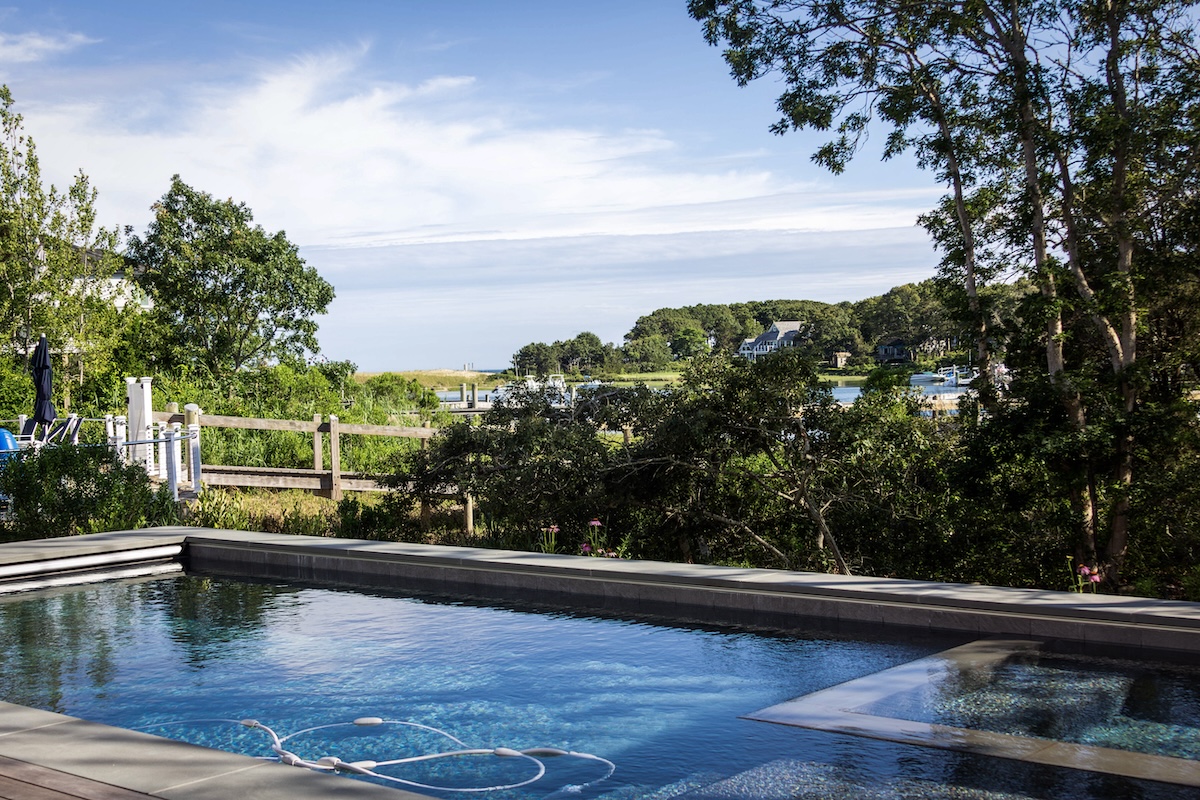
Building on Cape Cod is beautiful work but the necessary steps along the way, including the regulations that come with it can be a lot to handle. Strict rules from the Massachusetts Wetlands Protection Act, local Conservation Commissions, zoning setbacks, FEMA flood zones, and town-specific bylaws often catch people off guard. Many projects stall, get scaled back, or even denied because folks jump into design without first getting a clear picture of what's going to be permitted.
The common problem is simple: without early guidance, surprises pile up. Buffer zones limit where you can place patios, pools, or additions; impervious surface limits may shrink outdoor space; historic overlays dictate materials or roof pitches; and public hearings bring input that can shift plans. Timelines stretch longer than expected -permitting can add 6–18 months or more depending on the path - and costs climb if you have to rework drawings or file extra applications.
With our two and a half decades of hands-on experience right here on Cape Cod, we know these rules inside out. We share 5 practical expert tips to navigate them smoothly, so you can keep your vision intact. Our approach is proactive and transparent: early involvement, clear explanations, and collaboration with the right team to turn potential roadblocks into straightforward steps.
We'll cover getting started with site assessments, understanding the key layers of regulation, building a strong team and documentation early, keeping communication open throughout, and planning for contingencies and future-proofing. These tips come straight from real projects we've guided—let's walk through them so your build stays on track.
One of the biggest mistakes we see on Cape Cod projects is jumping straight into architectural drawings without first getting a clear read on the land's regulatory limits. By the time the plans are drawn up, it's often too late - buffer zones, setbacks, or impervious surface caps have already shrunk the usable footprint, forcing expensive redesigns or scaled-back features like patios, pools, outdoor showers, or even room layouts.
That's why Tip 1 is straightforward: start with an early pre-construction consultation and thorough site assessment. The goal is to map out every regulatory constraint before anyone puts pencil to paper or commits to a design direction. On Cape Cod, this means identifying things like the 100-foot (or sometimes 50-foot) buffer zones under the Wetlands Protection Act, bordering vegetated wetlands edges, coastal bank setbacks, FEMA flood zone boundaries, historic district overlays, zoning lot coverage ratios, and town-specific impervious surface limits that can restrict hardscaping square footage pro rata.
When you know these limits upfront, you avoid the common surprise where the land itself dictates major compromises. For example, a client might plan a full outdoor living area only to learn that impervious coverage rules cut their patio or pool space in half. Getting ahead of that saves time, money, and frustration.
O'Neill Bowes makes this the very first step on every project. We walk the property early - often before the architect or designer is fully engaged - and work with the project team to flag buffers, gray areas, outright impossibilities, and realistic alternatives. We bring in trusted, town-specific civil engineers right away to map constraints accurately, then connect the client with the best architects, landscape architects, or other specialists who already understand local Conservation Commission particulars and zoning nuances.
We also gauge the client's budget, goals, and disposition early so we can recommend the right team mix from our network. This early involvement lets us guide the design process around the real limitations instead of fighting them later. The result is a smoother path forward: fewer revisions, shorter permitting timelines, and a final plan that still delivers what the client really wants.
Once you've done the early site walk and assessment, the next practical step is getting a solid handle on the main layers of regulation that actually govern what you can build on Cape Cod. These aren't just background rules - they directly shape the size, placement, height, materials, and even outdoor features of your project. Missing or misunderstanding one layer early often leads to redesigns, extra filings, or denied applications down the line.
The foundation is the Massachusetts Wetlands Protection Act (MGL Chapter 131, Section 40). This state law protects bordering vegetated wetlands, salt marshes, coastal banks, and other resource areas. It sets up buffer zones - typically 50 or 100 feet from the wetland edge or mean high tide - where work is restricted or requires special permits. The Act also controls alterations that could affect protected resource areas, and every town enforces it through its own Conservation Commission.
Local bylaws add another layer. Each of Cape Cod's 15 towns has its own conservation regulations, buffer distances, and interpretations of the state Act. Some towns are stricter on impervious surface coverage (how much hardscaping you can have before runoff becomes an issue), which can limit patios, pools, driveways, or even roof overhangs. Zoning bylaws pile on top: setbacks from property lines or streets, height limits, lot coverage ratios, and in some cases historic district rules that dictate roof pitches, siding materials, or window styles. Then there's the Board of Health for septic systems, and in flood-prone areas, FEMA designations that overlap with everything else.
Public hearings are part of the process, especially with Conservation Commissions. Neighbors or abutters can comment on impacts to views, habitat, stormwater, or traffic, and their input can lead to conditions or modifications. These hearings aren't always adversarial, but they do add time - sometimes months - and can shift scope if not anticipated.
OBBC Tip: Engage the Conservation Commission early and prepare strong filing materials (NOI/RDA, etc).
One way to avoid surprises is to get in front of the Commission before filing anything. Sometimes reaching out informally (many Commissions are open to pre-filing discussions) to get feedback on proposed solutions can alleviate unnecessary filings. Ultimately, taking the proper guidance from officials and doing an NOI with the correct team speeds up the process so they can have one hearing and not multiple.
OBBC makes sure the appropriate project team attends the hearings. We bring the civil engineer or wetland inspector for technical details, but we're there too - holding all the information, answering questions, and showing our dedication to the project. Our familiarity with local Commissions and town staff helps keep things moving and builds credibility. Early engagement means fewer revisions, less stress for the client, and a project that stays as close as possible to the original vision. By attending all of these instances, we’re also constantly educating ourselves for the next project.
By the time you've done your site assessment and mapped the main regulatory layers, the next smart move is assembling the right team and getting solid documentation in place - before anything gets too far along in design. A strong team early avoids the common trap of hiring an architect or designer first, only to have them draw plans that don't fit the land's rules, leading to major revisions, extra fees, or even starting over.
The core team usually includes:
In some cases, a wetland specialist, landscape architect, or legal counsel for historic districts or complex zoning.
At O'Neill Bowes Building Company, we push for this team to come together as early as possible - ideally right after the initial site walk. We gauge the client's budget, goals, and disposition to recommend the best fits from our network: engineers who excel in specific towns, designers who understand town nuances, and consultants who can handle particular subject areas. OBBC often acts as the central point - holding all the information, attending meetings, and making sure everyone is aligned so slight changes (like ceiling height or window placement) don't trigger unexpected regulatory issues.
On documentation: start with the client's own list of needs and wants before any drawings. Write down the big-picture items—number of bedrooms and baths, first-floor master, key outdoor features—plus any must-haves like pool location or style inspiration photos. This "program" helps the team build plans that comply from the start, reducing revisions. Don't grab quick online plans; they rarely fit Cape Cod regs.
The payoff is clear: clear plans and an experienced team mean fewer back-and-forths with town departments, shorter permitting timelines, and a design that stays true to what the client really wants without costly rework.
Regulations on Cape Cod can be complicated, and even with the best early assessment, team, and plans, the goalposts can still move. Buffer zone interpretations shift during review, public hearing comments add conditions, FEMA elevations get adjusted, or a town official requests a small tweak that affects ceiling height or window placement. When that happens, the way you communicate those changes to the client makes all the difference between a smooth project and one that feels stressful or out of control.
Tip 4 is simple but critical: prioritize transparent client communication from start to finish. Don't wait for surprises to pile up - keep the client in the loop every step so they never feel blindsided.
O'Neill Bowes Building Company takes pride in making regular updates standard. These aren't just progress reports; we explain exactly what each regulatory step or change means for the client's vision. If a Conservation Commission condition limits impervious coverage and shrinks the planned patio, we lay it out clearly: here's the rule, here's the impact, here are the options (scale back slightly, or relocate, or pivot to permeable materials), and here's what we recommend based on budget and goals. The client gets full context and multiple paths forward - they choose what fits for them and their home, not us.
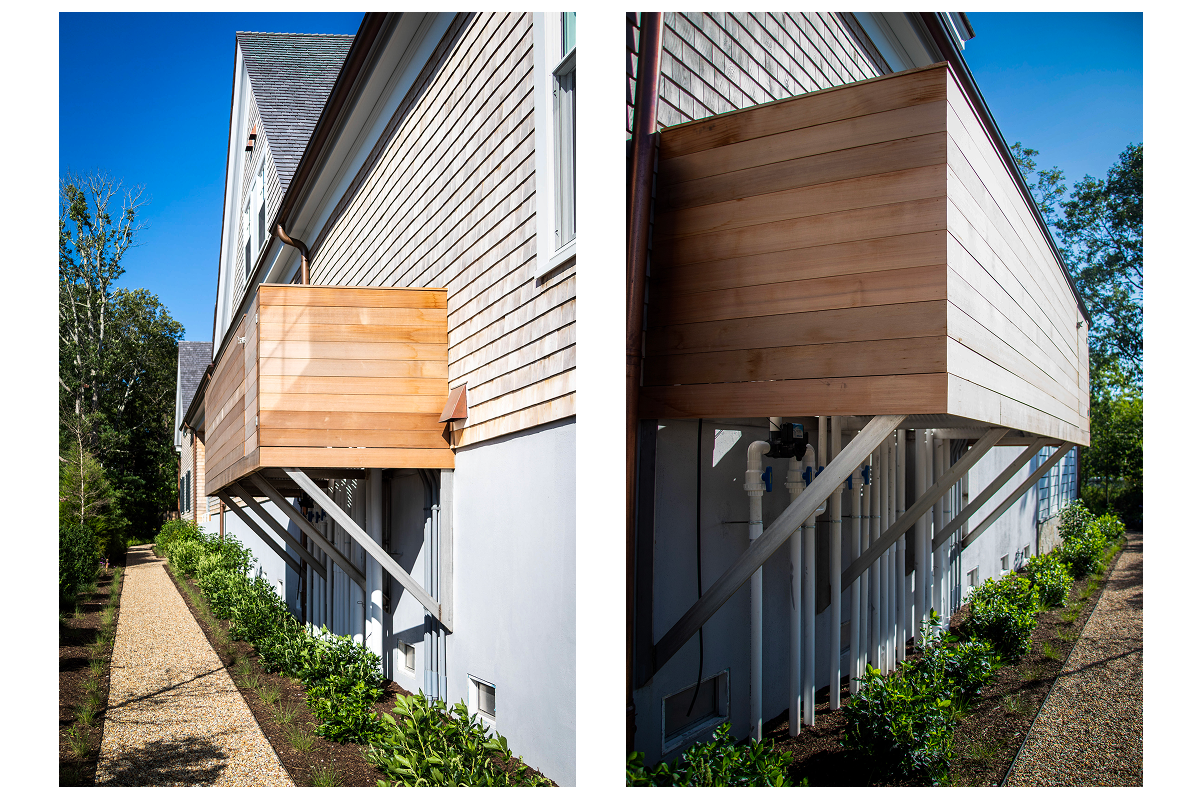
This approach alleviates stress and builds trust. We've seen it turn potential hurdles into wins. In the Pomponesset (2 Cross Tree Way) project, pool and spa equipment was originally slated for an exterior wall near the master bedroom. The client didn't want noise or visual impact there, especially with soundproofing already in place. We recalled basement placement had worked in another town, so we presented that option to the client, architect, and design team. THey all agreed it would be a strong fix. Knowing that town regulations vary from one to the next, we also came up with a Plan B just in case (we’d spec’d out using the under-porch area).
When the building commissioner and zoning officer had a different take on the regs (that did not include basement or the porch), they suggested a cantilever on the opposite side instead. We brought that back to the larger team and went to work. Conservation and the homeowners liked the custom design, and everyone ended up happy - without major delays or compromises.
Clear, honest communication keeps expectations aligned, reduces anxiety, and turns regulatory realities into collaborative solutions. The client stays informed, feels heard, and ends up with a home that's still fully theirs.
Cape Cod regulations aren't static - climate change, sea-level rise, updated flood maps, and evolving state/local codes mean today's compliant plan might need changes tomorrow. Buffer zones can expand, septic requirements tighten, energy codes (like Stretch Codes) get stricter, and FEMA elevations shift. If you don't build in some flexibility, a future rule change could force costly retrofits, like raising the whole house or redoing exterior envelope systems.
Tip 5 is about planning ahead so those changes don't derail the project or the client's long-term use of the home. The goal is to design flexibly and anticipate trends without overbuilding or adding unnecessary expense upfront.
At OBBC, we look at future-proofing from the start. For example, in areas with wetland buffers or estuaries that could see expanded protections, we work with civil engineers to place septic systems and drainage features in spots that meet today's rules but also anticipate tomorrow's tighter standards. In Barnstable and other towns, we've started recommending clients file plans that go above and beyond current septic regs - positioning systems higher or with better treatment - so when the inevitable updates come (often driven by water quality goals), the homeowner doesn't have to dig everything up and redo it.
We also build flexibility into the design itself: choosing materials and systems that can adapt (ex. exterior envelope components that handle corrosive salt air better than standard options), or leaving room for minor adjustments like added flood vents or raised utilities if FEMA maps update. Throughout, we keep the client in the conversation - explaining what "future-proofing" means for their budget and vision, presenting options (do the minimum now or invest a bit more for peace of mind), and letting them decide.
This approach reduces stress down the road and protects the investment. A home that's built with contingencies in mind stays compliant, functional, and enjoyable longer—without forcing the client into compromises they didn't sign up for.
Navigating Cape Cod building regulations can feel overwhelming at first—the buffer zones, town-by-town bylaws, Conservation Commission hearings, historic overlays, FEMA updates, septic rules, and the constant push toward future-proofing with Stretch Codes and energy standards. But these rules aren't impossible to manage. With the right steps, they become part of a clear, workable process instead of roadblocks.
Here's a quick recap of the 5 practical tips we've covered:
We've spent over 25 years on Cape Cod helping clients through these exact challenges. We don't dictate designs or materials - we adapt to your vision, work with the regs, and keep things transparent so the final home is still fully yours. Early involvement, experienced teams, and straightforward communication turn potential headaches into a smooth build.
•••
Planning a project on Cape Cod?
Call Nick anytime to discuss: 774.487.0475