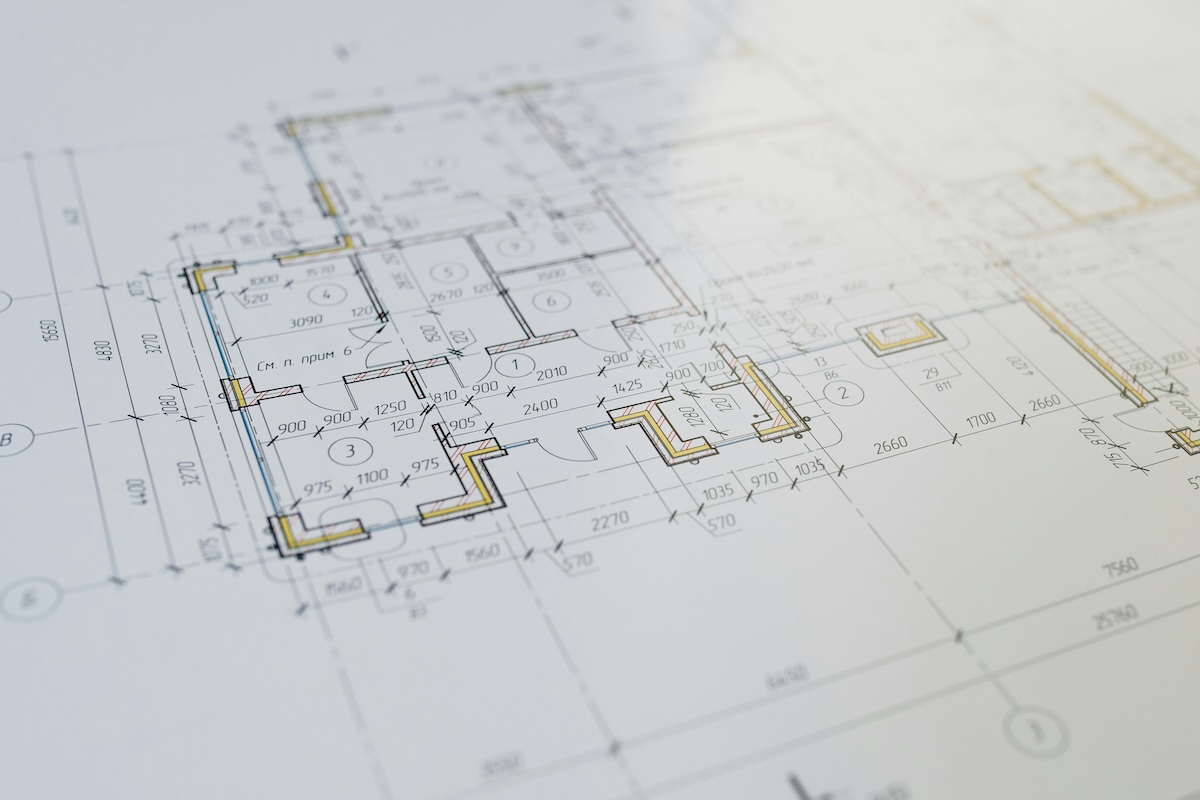
The design is coming together. The architect has drawn something you're genuinely excited about. The addition is taking shape on paper, the layout makes sense, and the project feels real. It's not until the septic system comes up that the conversation changes.
When it comes up late, it tends to reshape things. Timelines extend while the system is assessed. Designs are revisited to accommodate what the land can actually support. What began as a straightforward addition becomes a more complex project.
Septic is the constraint that will often gets treated as a detail when it should be treated as a starting point. On Cape Cod, the combination of aging systems, strict Title 5 requirements, high water tables, and limited lot space makes this more consequential than almost anywhere else in New England. Many of the lots people are building on have systems that are decades old, sized for a different use, and located in places that require careful coordination with any new construction.
Understanding your septic situation before design begins is not a technical formality. On Cape Cod, it is one of the most financially and strategically important decisions for any addition or renovation, and the builders and clients who treat it that way consistently have smoother, more predictable projects.
Title 5 is Massachusetts's statewide septic code, formally known as 310 CMR 15.000, and it governs the design, installation, inspection, and upgrade of every on-site sewage disposal system in the state. It is enforced locally through each town's Board of Health, which means the regulation you are navigating is both a state standard and a locally interpreted one.
Title 5 applies across a broader range of project types than most people initially expect. The most common triggers include the sale of a property, a change in use, the addition of bedrooms or bathrooms, the installation of flow-generating fixtures, and construction work within setback distances of the system or leach field. Not every renovation requires a full inspection or upgrade, but understanding where your project sits relative to those thresholds is valuable information to have at the start rather than the middle of a design process.
A system that cannot support the proposed scope introduces a separate workstream into the project. The system needs to be assessed, engineered, and filed with the Board of Health independently of the building permit process. In some cases the leach field needs to be relocated, which involves civil engineering, regrading, and potentially a revised footprint for the addition itself. None of this is insurmountable, but all of it takes time, and that time is much easier to absorb when it is planned for.
A Title 5 inspection is conducted by a licensed inspector who evaluates the condition and capacity of the existing system. If an upgrade or replacement is required, a licensed engineer designs the new system and files with the Board of Health. A percolation test, which measures how quickly the soil absorbs water, determines what type of system the site can support. The Board of Health reviews and approves on its own timeline, which is why initiating this process early is one of the more consequential scheduling decisions on any Cape Cod project.
Each of Cape Cod's 15 towns applies Title 5 through its own bylaws and its own Board of Health interpretations. The threshold that triggers a mandatory upgrade in one town may be handled differently in the next. Nitrogen loading requirements, driven by the health of Cape Cod's ponds and estuaries, add a further layer of town-specific regulation that is tightening across the region. This is precisely the kind of local knowledge that shapes how a project gets sequenced and what the civil engineer needs to account for from the start.
Septic systems on Cape Cod are sized by bedroom count and estimated daily flow, and adding a bedroom, a bathroom, or converting a space to habitable use can push an existing system past its permitted capacity. When that happens, an upgrade is not optional. The Board of Health applies this math consistently, and the threshold is lower than most people expect going in.
The practical implication is straightforward. Before design begins, it is worth knowing exactly what your current system is permitted for and where the line is. A septic assessment at the preconstruction stage gives the full team that information when it can still shape decisions, rather than after the architect has drawn plans around an assumption that turns out not to hold.
Any structure or impervious surface placed over or near a leach field compromises its function and in most cases violates Board of Health setbacks. This applies to addition footprints, porches, pools, patios, and driveways equally. The leach field does not move to accommodate the project. The project accommodates the leach field, or the leach field gets relocated, which is a meaningfully different scope of work.
In a recent Osterville project, the team mapped the septic location during preconstruction and placed both the planned addition and a future porch outside the leach field footprint entirely. That single decision, made early, preserved the client's program without requiring any system work. The same outcome is available on most projects when the mapping happens before design, not after.
Cape Cod lots are frequently small, old, and irregular, and by the time wetland buffers, property line setbacks, well setbacks, and foundation requirements are mapped, the buildable area is already constrained. Adding septic setbacks to that picture can reduce it further, sometimes significantly.
An addition that looks entirely feasible on a simple sketch can turn out to require a variance, a redesign, or a reconsideration of scope once all the setbacks are accurately mapped onto the actual lot. This is not an unusual outcome on Cape Cod. It is a common one, and it is exactly why the civil engineer belongs at the table from the first site visit rather than after the architect has committed to a design direction the land may not support.

Septic planning begins at the first site visit. Not when the architect starts drawing, not when permits are being assembled. At the moment the builder walks the property with the client for the first time, the septic system, its location, its condition, and its permitted capacity are part of the conversation.
This is the approach O'Neill Bowes brings to every project, and the reasoning is practical rather than procedural. The septic system is a fixed constraint that shapes what is possible on the lot. Understanding it early means the design process works around reality from the start rather than running into it later.
The more consequential part of that early assessment is mapping not just what exists now but what the client may want in the future. A screened porch. A pool. A detached garage or a pool house. Each of those features has a footprint, and each footprint has a relationship to the septic system and leach field that needs to be understood before the system is located. Moving a system once is expensive. Moving it a second time because a future feature was not accounted for is a cost and a disruption that is entirely avoidable.
The Osterville project referenced earlier illustrates this directly. By mapping both the planned addition and a future porch and pool during preconstruction, the team was able to locate the septic outside all of those footprints in a single decision. The client's full program, present and future, was preserved without requiring system relocation at any point.
O'Neill Bowes also recommends that clients in Barnstable and other Cape Cod towns consider filing septic plans that exceed current requirements, positioning systems at higher elevations or with more advanced treatment than the minimum code demands. Nitrogen loading regulations tied to the health of Cape Cod's ponds and estuaries are tightening, and the direction of that trend is not uncertain. A system designed ahead of where the regulations are heading protects the investment and avoids a forced upgrade on someone else's timeline.
The civil engineer is central to all of this. Not as a vendor brought in to stamp drawings after decisions have been made, but as a core team member from the first site visit whose findings directly shape what the architect is able to design. On Cape Cod, the sequence matters: civil engineer first, then design.
Confirm what your current system is permitted for in terms of bedroom count and daily flow before design begins. Request a Title 5 inspection to establish the system's current condition and remaining capacity. Ask your civil engineer whether the proposed addition crosses the threshold that triggers a mandatory upgrade under your town's Board of Health requirements. If an upgrade is likely, get the engineering and filing timeline into the project schedule before the architect commits to a design direction.
Map the leach field location and all Board of Health setbacks before any footprint is drawn. Confirm that the proposed structure or impervious surface does not encroach on the leach field or its required setbacks. If a pool is part of the current or future plan, account for both the pool footprint and the associated equipment pad in the septic mapping. Treat future features as real constraints now, not hypotheticals to sort out later.
Request the existing Title 5 inspection report and system design as part of due diligence, before closing. Confirm the system's permitted bedroom count against your renovation program. Ask a civil engineer to walk the property and identify any conflicts between the existing system location and your intended plans. Factor potential septic upgrade costs into your acquisition and renovation budget.
Confirm nitrogen loading requirements with the local Board of Health before any system design begins, as these vary by town and are tightening across the region. Verify all wetland buffer setbacks in relation to the existing system and any proposed new construction. Consider filing a system design that exceeds current treatment requirements to stay ahead of regulatory changes driven by water quality goals in Cape Cod's ponds and estuaries.
Septic is not a detail to revisit once the design is underway. On Cape Cod, it is a foundational planning decision that shapes what is possible on a given lot, what the project will cost, and how long it will take to move from design to permitted construction. The homeowners and project teams who treat it that way consistently have clearer timelines, fewer surprises, and a final result that reflects what they set out to build.
O'Neill Bowes brings 25+ years of combined high-end construction experience on Cape Cod to every project, including a deep familiarity with the town-by-town Board of Health requirements, civil engineering relationships, and local regulatory landscape that makes septic planning something we address at the first site visit rather than the last possible moment.
If you are planning an addition or renovation and want to understand what your septic situation means for your project, we would welcome the conversation. There is no pressure and no obligation, just an honest discussion of your goals and what the site can support.
•••
Planning a project on Cape Cod?
Call Nick anytime to discuss: 774.487.0475