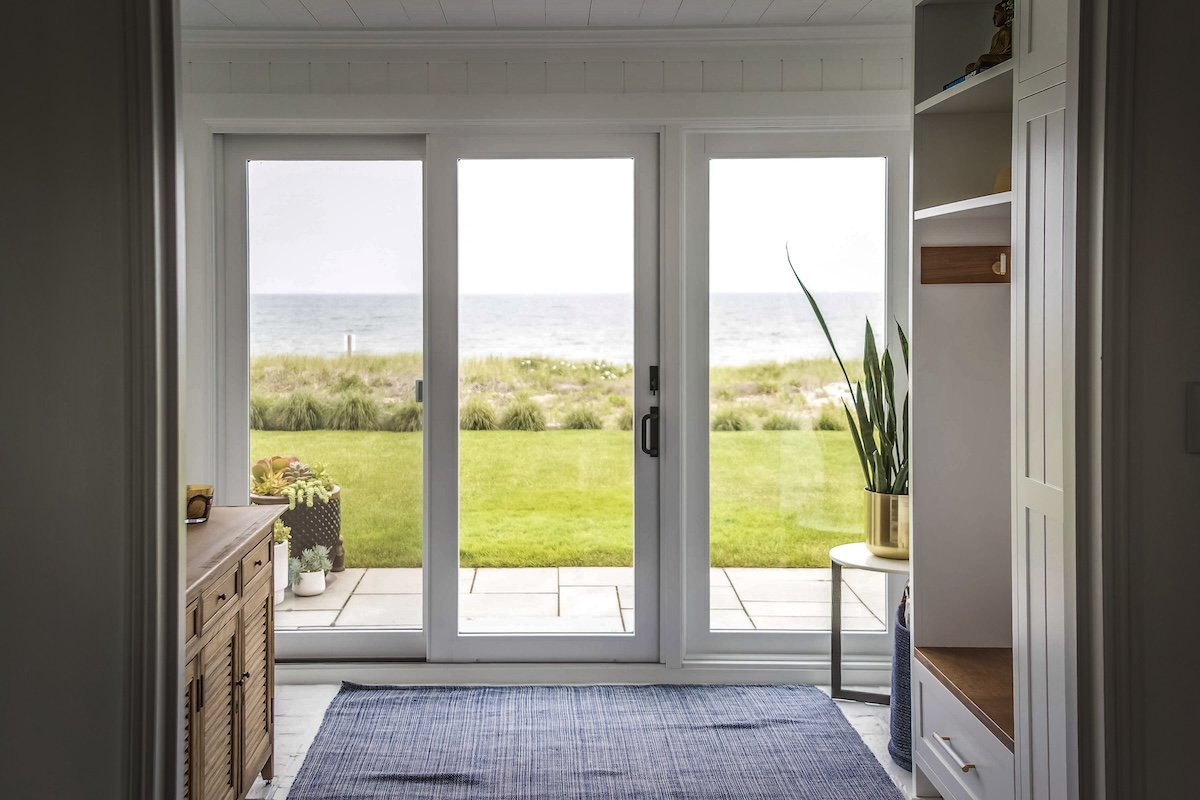
Additions or renovations on Cape Cod can completely transform your home - give you better flow, more usable space, modern comforts, and often significant added value when they’re done right. But budgets for these projects can balloon beyond initial expectations if that’s not a priority. What starts as a targeted kitchen update or addition could end up costing 30–50% (or more) over plan because of surprises that weren't accounted for in preconstruction.
Some common culprits are underestimating hidden and regulatory costs. Stretch Energy Code triggered on larger additions or renovations (over certain thresholds) can force a full retrofit of the existing house - insulation upgrades, new windows, mechanical systems - that turns a modest project into something much more substantial. Septic issues (older systems not sized for added bedrooms or bathrooms) often require variances, relocation, or full upgrades. Ground balls when opening walls - rot, outdated framing, or non-compliant elements - add unexpected work. Even permitting, historic reviews, or site constraints (soil, access) can add 20–40% if not mapped early. We've seen families or retirees planning "just a little more space" get hit with timelines and costs they never anticipated.
O'Neill Bowes is led by expert operators who have been involved in countless renovations and additions on Cape Cod with their combined 25+ years of experience. We know these pitfalls inside out, and we've learned how to build realistic budgets that maximize value while avoiding expensive mistakes. Co-founder Tim O'Neill is passionate about issues like Stretch Codes and energy regulations - he serves on the Homebuilders Association Government Affairs Committee and the Town of Barnstable Planning Board - so we stay ahead of how these rules evolve and help clients plan proactively.
In this article, we share 6 insider insights to create budgets that work in the real world. These come straight from field-tested experience on luxury projects:
These insights aren't theory - they're practical steps we've used to keep projects on budget, on time, and delivering real value.
A big reason luxury renovation budgets spiral on Cape Cod is if a client doesn’t start with unclear priorities. They may jump into design with a loose idea of "what we want" - a bigger kitchen, extra bedroom, screened patio, or open layout - without first separating must-haves from nice-to-haves. The architect draws beautiful plans, everyone gets excited, and then reality hits: the budget can't support it all, or the land/regs make elements of the design impossible. Redesigns begin, fees pile up, timelines stretch, and frustration sets in.
Overruns almost always begin here. Without a clear scope, the project becomes a wish list instead of a plan. We've seen clients spend weeks on drawings for features they ultimately can't afford or permit, only to scale back and feel like they wasted time and money.
We make this the very first step: sit down early and build a realistic needs/wants list before any serious design work starts. Needs are non-negotiables - e.g., a first-floor bedroom for aging in place, enough baths for the family, or better flow for entertaining. Wants are the extras - outdoor kitchen, pool, custom millwork, or high-end finishes. We write them down, rank them by priority, and attach rough cost ranges based on real Cape Cod projects.
This list becomes the guide for everything that follows. It lets the architect and team design within the actual budget from day one - no drawing unbuildable dreams. It also forces an honest budget conversation early: Here's what this scope looks like at different investment levels - what feels right? Clients sometimes hesitate to share their real number, but without it, we're guessing. Transparency here prevents wasted effort and aligns everyone on realistic expectations.
The payoff is huge: fewer revisions, shorter timelines, and a project that stays focused on what truly matters to the client. By starting with a clear, prioritized list and open budget talk, we avoid the most expensive mistake of all - building toward something that was never achievable.
One of the fastest ways a high-end renovation budget gets out of control is underestimating the hidden and regulatory costs that come with any meaningful change on the Cape. These aren't small add-ons - they can easily add 20–40% (or more) to the total if not planned for early.
The biggest hidden costs often come from regulations. The Massachusetts Stretch Energy Code is a prime example: additions or renovations over 1,000 square feet (or certain thresholds) can trigger a full energy retrofit of the existing house - insulation upgrades, new windows, mechanical systems, and sometimes even exterior envelope changes. What starts as a kitchen update or addition suddenly becomes a whole-home overhaul. We've heard horror stories of people planning modest expansions getting hit with this reality mid-design, turning a $200k–$300k project into $400k+ because the code required bringing the entire structure up to current standards. Co-founder Tim O'Neill is particularly active around this issue and a strong voice on Committees and Boards to help not only his clients but any resident trying to improve their lifestyle on Cape Cod. We stay ahead of how these codes are evolving and help our clients plan proactively.
Septic systems are another frequent surprise. Older Cape Cod homes often have systems sized for the original footprint. Adding bedrooms, bathrooms, or even a pool house can require variances, relocation, or a full Title 5-compliant upgrade—any of which adds tens of thousands and months of permitting. Historic reviews, wetlands buffers, FEMA flood zone adjustments, or zoning variances can layer on more fees, studies, or redesigns if they’re not caught early.
At O'Neill Bowes Building Company, we make mapping these costs the second step in preconstruction - right after the needs/wants list in anticipation of the civil engineer coming above to assess zoning, septic, energy code thresholds, historic overlays, and site constraints. We include realistic contingencies (10–20% minimum) for the unexpected, like rot or framing surprises when opening walls. We also plan proactively: for example, upgrading septic systems beyond current requirements if a future addition seems likely, or positioning drainage/septic to exceed today's rules so tomorrow's changes don't force a redo.
By factoring in these hidden and regulatory costs upfront, clients get a true picture of the investment required. It prevents sticker shock, avoids forced scope cuts, and keeps the project focused on delivering maximum value instead of scrambling to fix surprises.
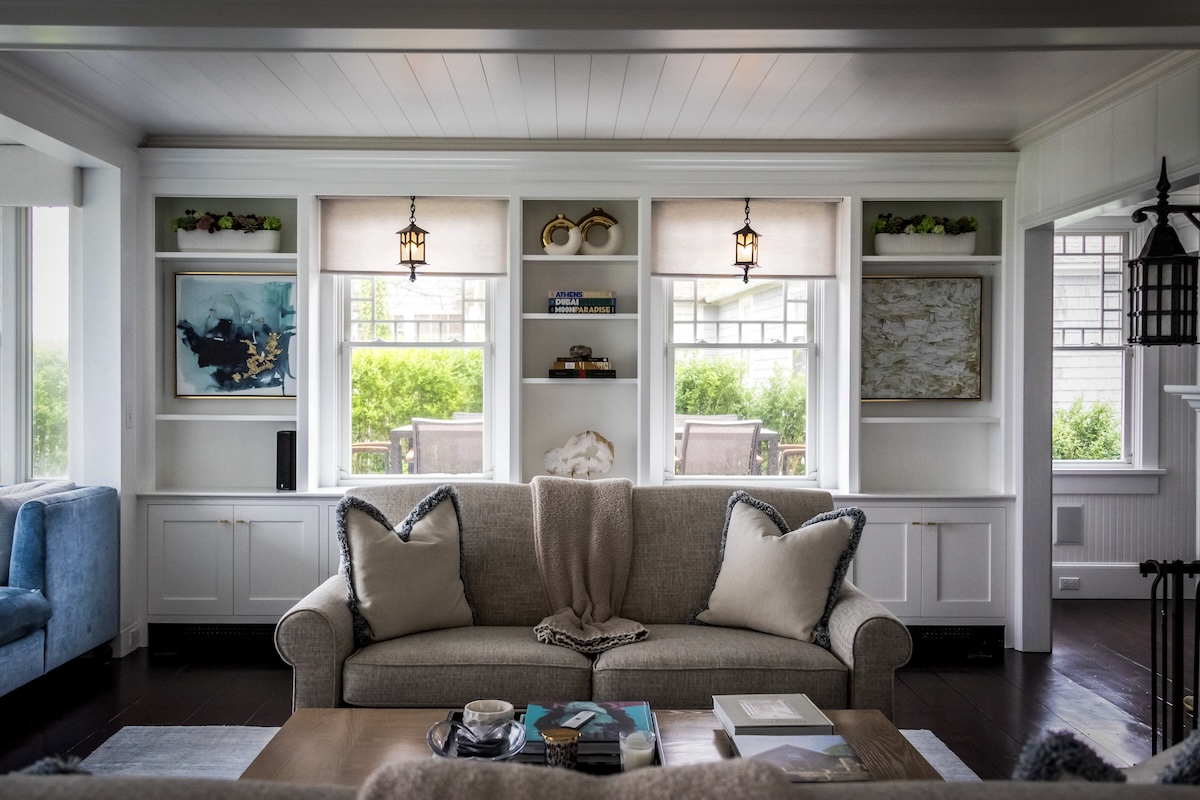
Properly done renovations are about creating a more ideal living space and lasting value, not just spending money. A big budgeting trap is chasing trendy finishes or showy features that look great in photos but fade quickly in real life. Those choices often deliver short-term wow but little long-term return - especially in a coastal environment where salt air, humidity, and storms wear things down.
The smarter move is to prioritize bang-for-buck investments: items that stand the test of time, improve daily comfort, boost resale value, and hold up to Cape Cod's characteristically intense conditions. Co-founder Tim O'Neill often calls himself a "building nerd" - often focusing on the things you feel every day but rarely see in magazines.
We guide clients toward these priorities early, once the needs/wants list and regulatory costs are clear:
The key is balance: spend where it matters most for function, durability, and enjoyment, then scale back on less critical items if the budget tightens. This approach turns a renovation into an asset that appreciates over time rather than a depreciating trend. Clients end up with a home that feels high-end because it's built smart - not because it costs the most.
A common budgeting mistake in Cape renovations is getting the team order confused. Homeowners may start with an architect or designer because the vision feels exciting, then bring in the civil engineer or surveyor later. By that point, beautiful plans are drawn up - only to discover they don't comply with zoning setbacks, wetlands buffers, septic requirements, energy code thresholds, or historic district rules. The result: major redesigns, extra fees, and wasted time that directly inflates the budget.
The problem is simple: without early input from team members who understand the land's constraints, designs get built on assumptions that don't hold up. We've seen projects where an architect's initial layout inadvertently ignored impervious surface limits or septic placement, forcing plans to be redrawn once the civil engineer weighed in. Redesign fees, extended timelines, and client frustration add up fast.
O'Neill Bowes does our best to be sure to consider this preconstruction process: bring the civil engineer in first, right after the initial needs/wants list and site assessment. They map the real constraints - buffer zones, lot coverage, septic footprints, FEMA zones, historic overlays - so the architect and designer work from accurate limits from day one. We coordinate the full team (surveyor for topo data, wetland specialist if needed, legal counsel for complex zoning) early, so everyone is aligned before drawings get too far. OBBC often acts as the central point - holding all the information and making sure slight changes (ceiling height, window placement) don't trigger unexpected regulatory issues.
This early team involvement prevents most redesigns. The architect designs compliant plans the first time, the civil engineer catches non-buildable elements upfront, and the client avoids paying for revisions. It keeps the project focused, timelines realistic, and budgets intact - because the plan was grounded in reality from the start.
Even with the best planning, team, and budget alignment, surprises are inevitable in the Cape Cod renovation or addition process. Opening walls reveals rot in framing, outdated electrical, or structural issues that weren't visible in the initial inspection. Regulatory goalposts can move mid-project (e.g., a last-minute interpretation of energy code or septic requirements). When these happen, how the builder communicates them makes the difference between a collaborative win and a relationship breakdown.
While poor handling of this situation can erode trust fast, the opposite is also true: proper handling galvanizes trust and the team. Vague updates ("We'll figure it out down the line") or delayed news leave clients feeling out of control, leading to emotional decisions, second-guessing, and sometimes costly disputes. We've seen projects drag because a small discovery snowballed into frustration when not addressed openly.
O'Neill Bowes Building Company, we make transparent, frequent updates the core of how we operate. Regular check-ins are standard - not just progress reports, but clear explanations of what we've found, the real impact on scope/budget/timeline, multiple solution paths, and our recommendation. We give full context immediately: no sugarcoating or downplaying. The client gets the facts so they can prioritize and choose what fits their goals and wallet.
For example, in older homes (common on Cape Cod), ground balls like rot or framing surprises often surface when walls come down. We don't wait to "handle it internally" - we explain right away: here's the issue, here's the cost/time impact, here are the options (repair minimally, upgrade for longevity, or adjust scope), and here's what we think is best. The client decides - no unilateral calls. This keeps decisions collaborative, stress low, and trust intact. In one recent reno, a framing surprise required additional support; we presented the options (extra cost vs. slight scope tweak), the client chose the upgrade for durability, and the project stayed on track because they felt heard and informed.
This approach turns surprises into manageable steps rather than crises. By giving immediate context, clear options, and client choice, we maintain alignment and focus on delivering value—even when the unexpected arises. The renovation ends up stronger because trust was never compromised.
Quality renovations on Cape Cod rarely stay static. Code changes, sea-level rise projections, updated flood maps, and evolving state/local regulations mean a plan that's compliant today could require expensive adjustments tomorrow. Buffer zones expand, septic requirements tighten, FEMA elevations shift, and Stretch Energy Codes get stricter - any of which can force retrofits if the original design didn't account for them.
The cost of reacting later is high: redoing septic systems, raising entire sections of the house, or upgrading exterior envelope components (windows, insulation, siding) after the fact often costs far more than building in flexibility upfront. We've seen projects where a small oversight - such as not anticipating future septic needs - led to major rework years later.
O'Neill Bowes makes contingencies and future-proofing a deliberate part of the budgeting process. We build in realistic buffers (10–20% contingencies) for unexpected occurances like structural surprises or regulatory shifts. More importantly, we exceed current requirements where it makes fiscal sense:
We keep the client in every conversation: explaining what future-proofing means for their budget and vision, presenting clear options, and letting them decide. This reduces stress down the road and protects the investment - a home that's compliant today and ready for tomorrow's changes, without forcing compromises they didn't sign up for.
Building on Cape Cod is a major investment - transforming a home into something more functional, comfortable, and valuable for years to come. But it also come with real risks: budgets that balloon from surprises, scope creep, regulatory triggers, and ground balls that weren't anticipated. The good news is these risks are manageable with the right approach.
Here's a quick recap of the 6 insider insights we've covered to build realistic budgets and maximize value:
At O'Neill Bowes Building Company, we've spent over 25 combined years on Cape Cod guiding high-end renovations & additions with adaptability, transparency, and a client-first mindset. We don't dictate designs or materials - we adapt to your vision, work within the regulations, and keep communication open so surprises stay manageable and value stays high.
•••
Planning a project on Cape Cod?
Call Nick anytime to discuss: 774.487.0475