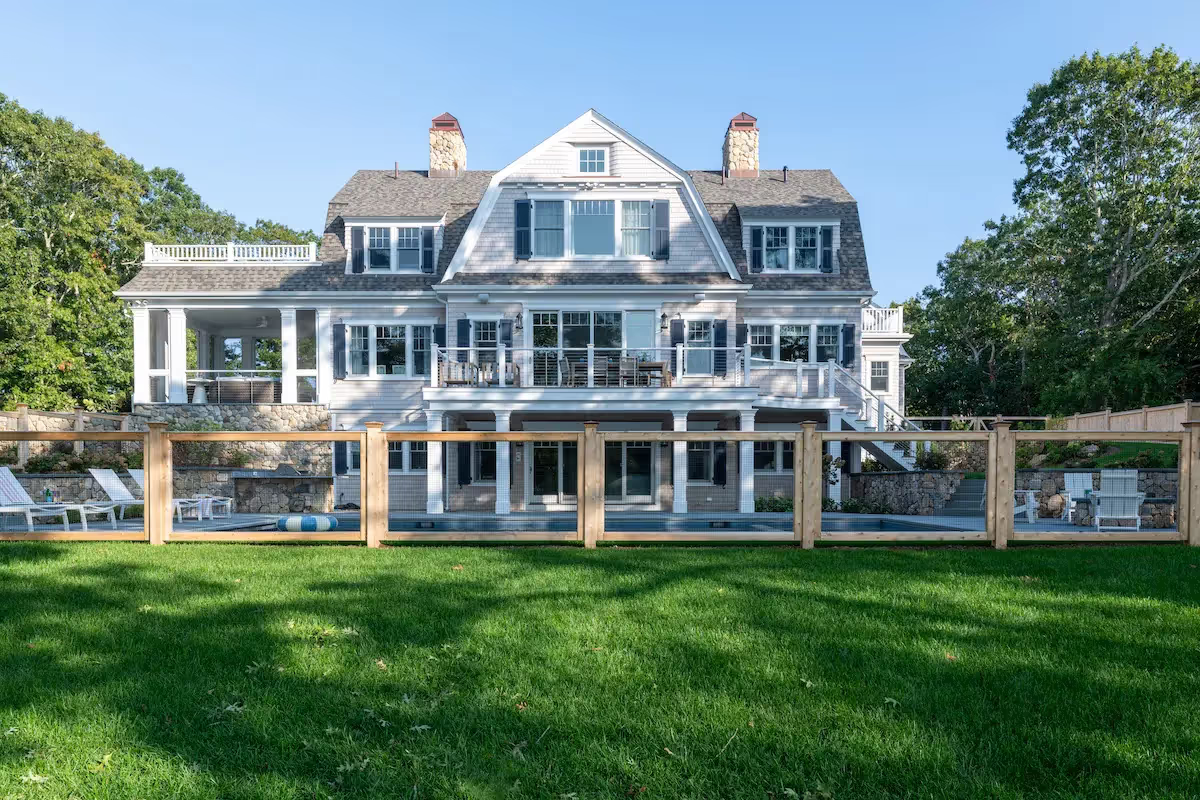
Historic Home Restoration on Cape Cod

O'Neill Bowes has deep roots in Cape Cod historic restoration, including work on properties with formal historic designations and homes that simply need a builder who understands what they're working with and cares about the outcome.
Historic homes on Cape Cod carry something a new build can't replicate: the character that comes from the way they were designed, the materials used, and the decades of life they've witnessed. Restoring one well is genuinely demanding work. It requires specific knowledge of historic construction methods, a working relationship with the regulatory and preservation process, and a real commitment to getting the details right.

What Historic Restoration Involves

Restoring a historic structure is a different discipline from general renovation. The goal isn't to modernize the property. It's to bring it back to its original design intent while addressing the functional requirements of present-day use.

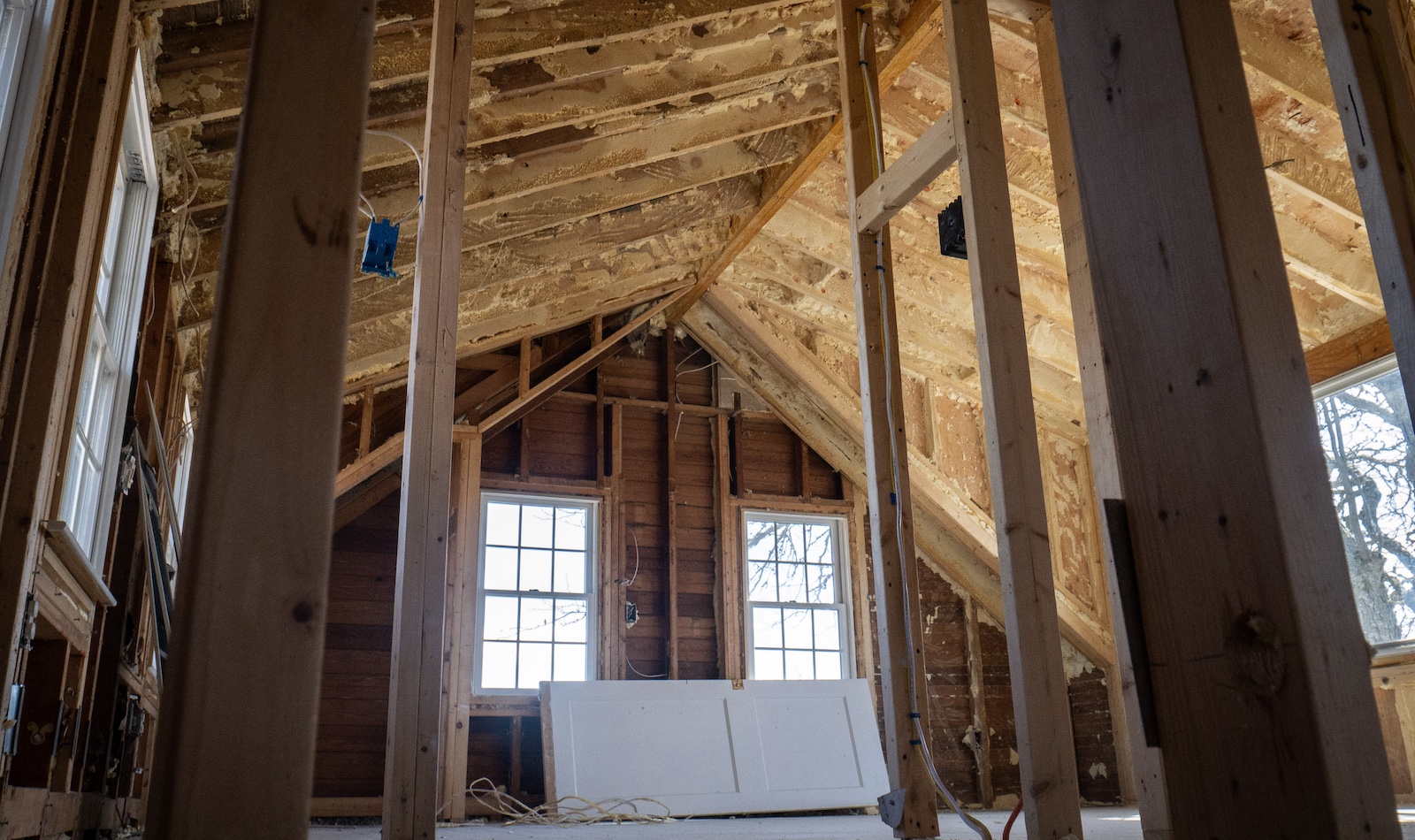
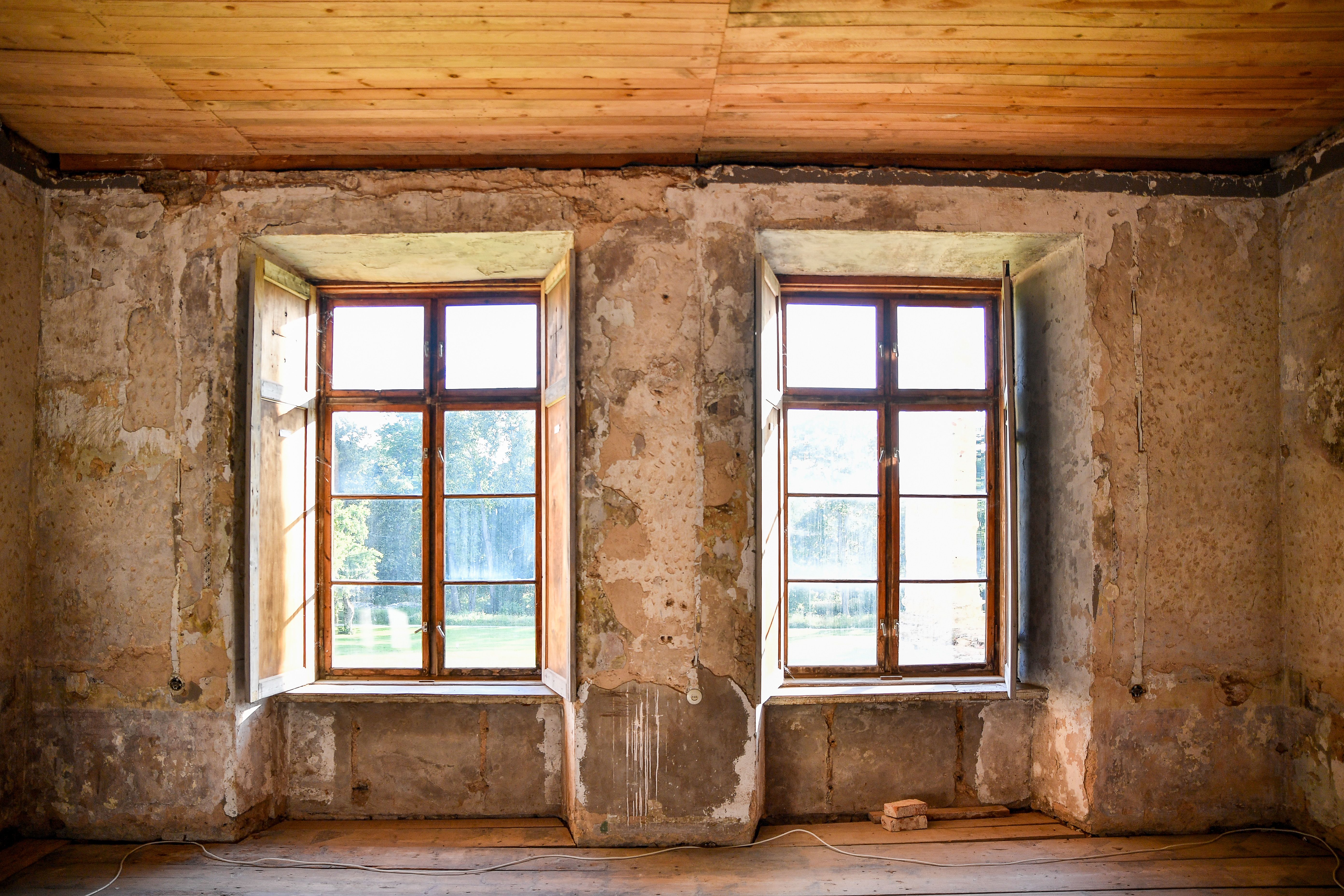
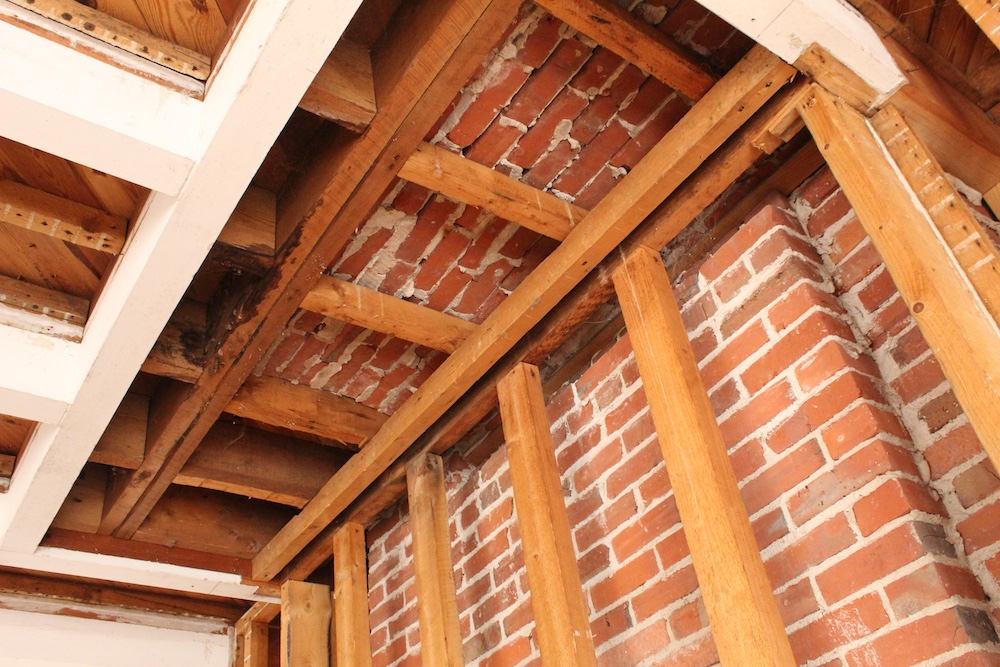
In practice, that means assessing original materials and construction methods and determining what can be preserved, what needs to be repaired, and what needs to be replaced in kind. It means sourcing materials that match the original in profile, texture, and character. It means treating the property's existing details, millwork, windows, siding profiles, hardware, and floor systems as the starting point rather than the obstacle.

Modern amenities, updated mechanical systems, improved insulation, and contemporary plumbing and electrical can all be incorporated. But they need to be done in a way that doesn't compromise the character of the building. That takes planning, and it takes a builder who knows what questions to ask before the work starts.
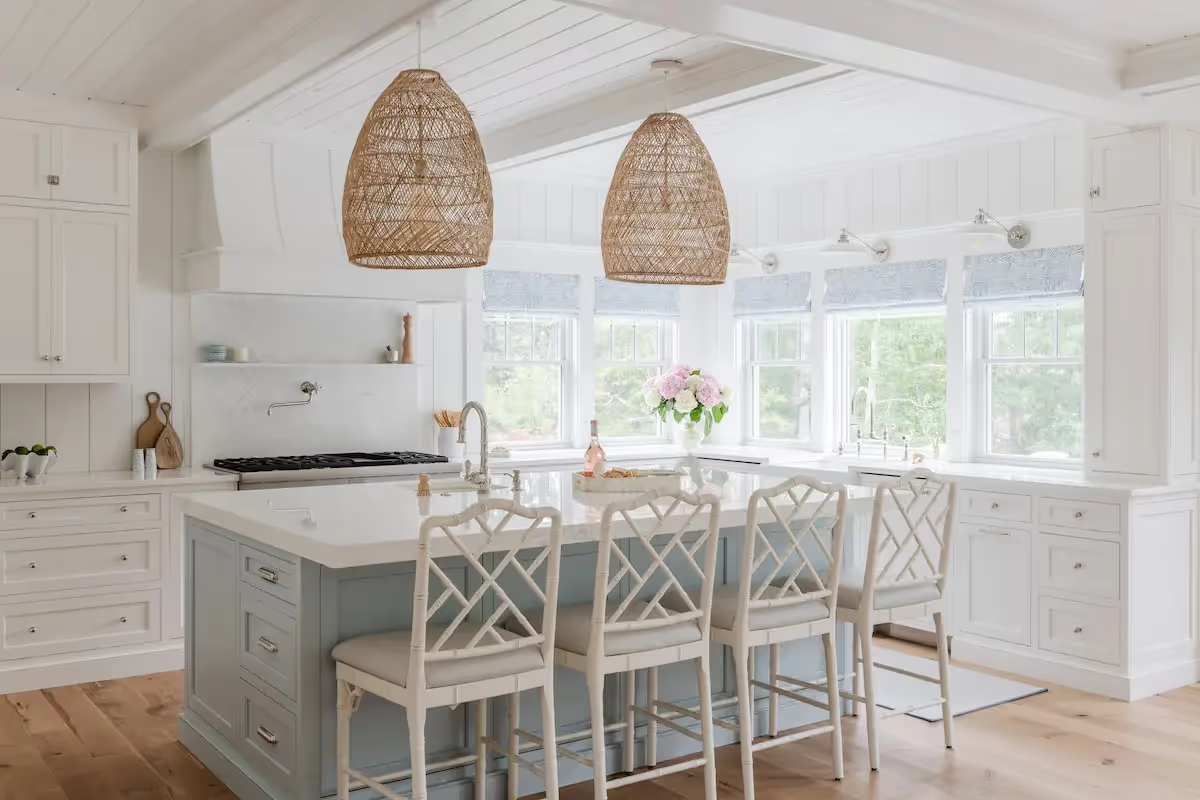
Brightly lit modern dining room

The Regulatory Side

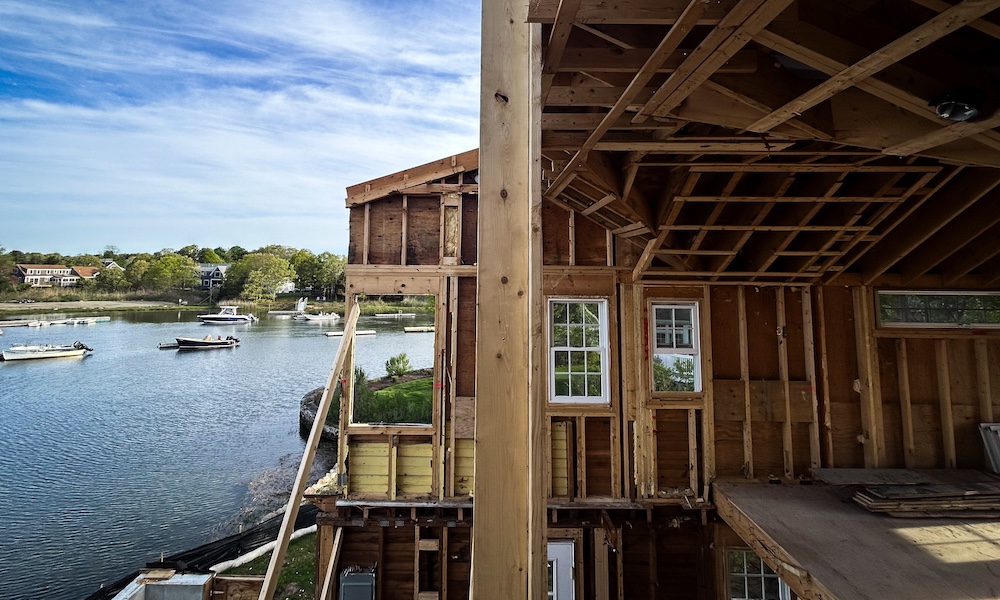
Historic properties on the Cape often sit within multiple overlapping regulatory frameworks. Historic district overlays at the town level set rules about exterior changes. The Massachusetts Historical Commission is involved for properties on the State or National Register. Conservation Commission permits may be required if wetland resource areas are nearby. The Cape's standard building permitting applies in addition to all of this.

Knowing the specific requirements that apply to a given property and town, rather than just the general historic preservation framework, is what separates a smooth process from a difficult one. Tim O'Neill's career has included work on formally designated historic properties, including the G.H. Holbrook House in Hyannis Port, a historically significant residential restoration. That background shapes how we approach this work at O'Neill Bowes.

Working with Preservation Professionals

Many historic restoration projects benefit from input beyond the general contractor. Preservationists, structural engineers familiar with historic construction methods, and in some cases archaeologists may be part of the process. We work comfortably within that kind of collaborative structure and can help coordinate the full team. The goal is a restoration that respects the original intent of the building and holds up for the next generation of owners.
Featured Project

Crystal Lake Haven

Custom Home | Osterville, MA
View Project
Brightly lit modern dining room

What to Expect

Historic restorations take longer and cost more than comparable new construction or standard renovation work, and with good reason. The care required to do them right is real. We'll be direct with you about what your property needs, what the regulatory process will require, and what a realistic budget and timeline look like. That's the only responsible way to approach this kind of project.

Frequently Asked Questions

What are the rules for restoring a historic home on Cape Cod?
It depends on the property's designation and location. Properties within local historic districts must comply with the town's historic district commission guidelines for exterior changes. Properties on the State or National Register involve the Massachusetts Historical Commission. Many historic Cape Cod properties also fall within Conservation Commission jurisdiction, adding a separate permitting layer.
How do I know if my home qualifies as a historic structure?
Properties may be individually listed on the State or National Register of Historic Places, or they may be contributing structures within a designated historic district. Your town's building or planning department can confirm which designations apply to your property. Some homes have significant historic character without a formal designation, which affects what's required but not necessarily what's appropriate.
Can I modernize a historic home while preserving its character?
Yes. Modern mechanical systems, updated plumbing and electrical, improved insulation, and contemporary finishes can all be incorporated into a historic restoration. The key is doing it in a way that doesn't compromise the building's original character, which requires careful planning and material selection from the start of the project.
What's the difference between historic restoration and renovation?
Renovation focuses on improving or updating a space, often with a modern result. Restoration focuses on returning a structure to its original condition or design intent. The two can overlap, but the approach, materials, and regulatory requirements are often quite different. A restoration project typically requires a builder with specific experience in period materials and preservation standards.

Connect with Our Team

Own a historic property on the Cape? Get in touch and we'll walk through it together — the regulatory picture, the materials, the timeline, and the questions worth asking before any work begins.

Thank you! Your submission has been received!
Oops! Something went wrong while submitting the form.

Join the O'Neill Bowes Mailing List

Planning a residential construction project on the Cape? Get straight answers about Cape Cod construction, delivered to your inbox. We cover what we know and what we've learned along way.

A Lite Studio Production