Custom Home Construction on Cape Cod

O'Neill Bowes specializes in high-end residential new construction across Cape Cod, from custom waterfront estates to boutique commercial spaces. We bring 25+ years of combined field experience to every project, along with the kind of local regulatory knowledge that only comes from building on the Cape for decades.
Building a custom home is one of the most significant investments most people make. On Cape Cod, it's also one of the more complex ones, with a permitting process that varies town by town, a coastal environment that demands specific materials and construction methods, and a regulatory picture that can add months to a project if it isn't handled carefully from the start.

What We Build

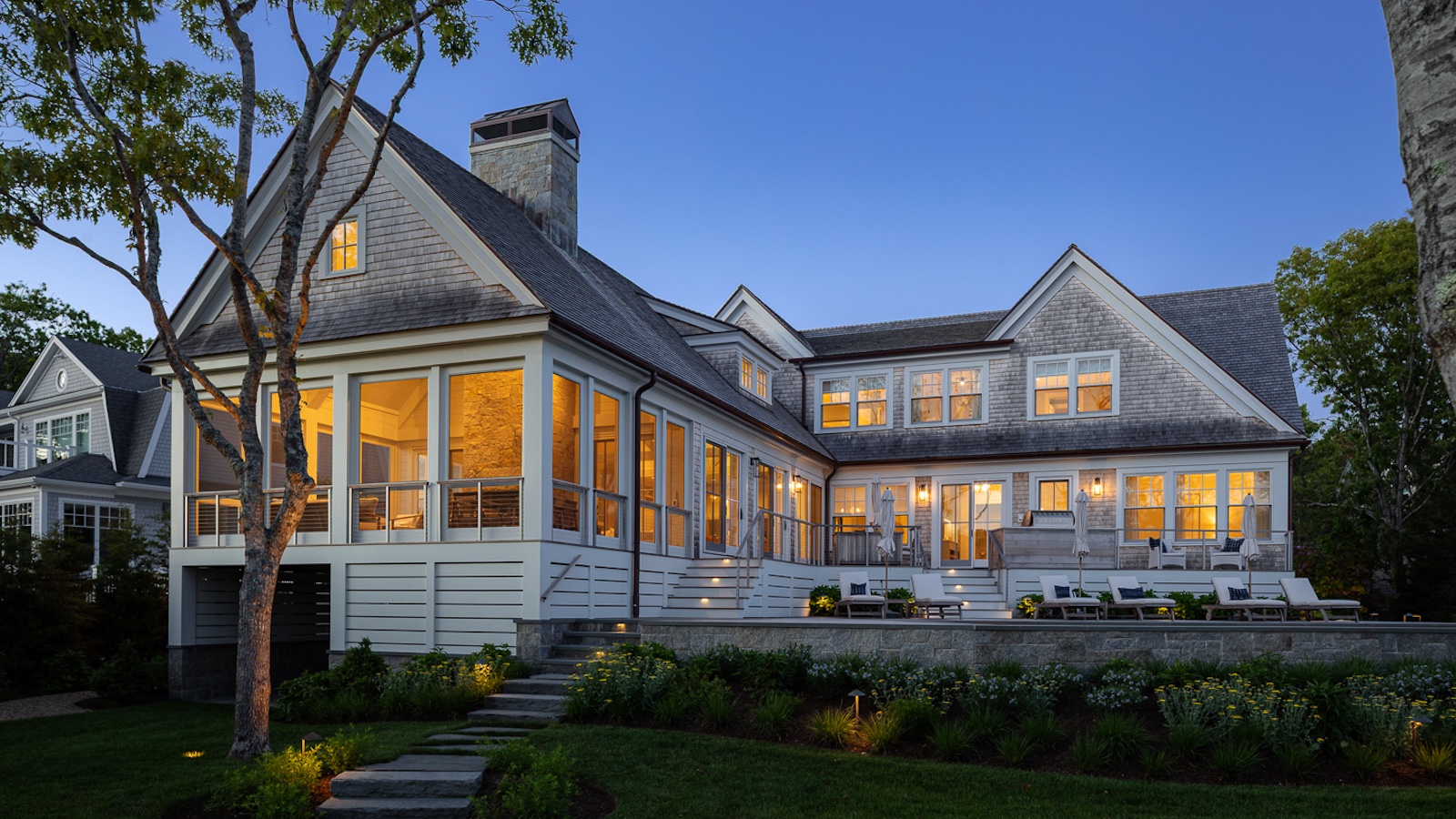
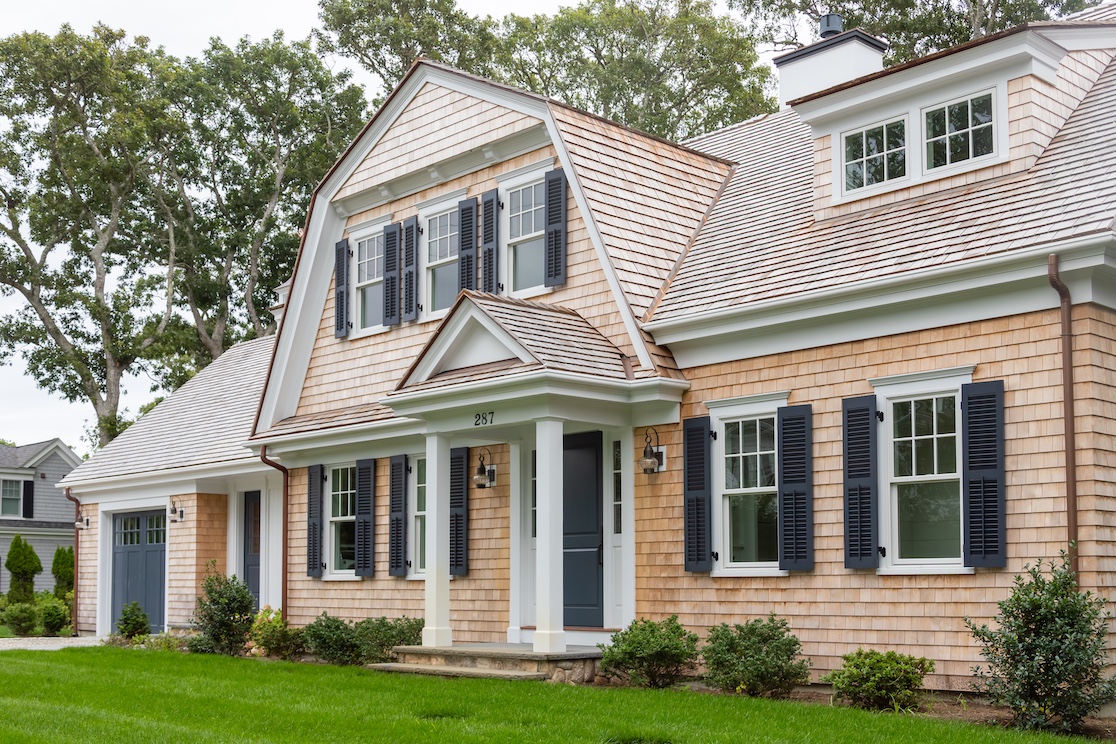
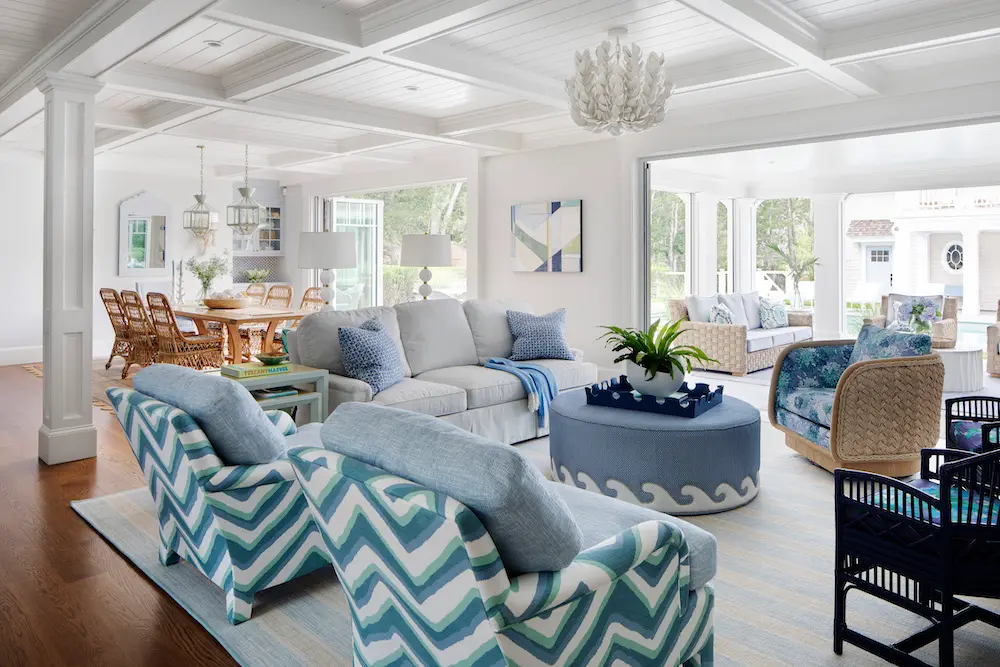
Our new construction work spans custom residences, waterfront estates, and select commercial projects. Every project adapts to the client's vision and the demands of the specific site. We don't have a signature house style, and we don't steer clients toward the materials or layouts that make our job easier. Any material, any design direction. That's a deliberate part of how we work, and it matters to clients who have a clear aesthetic vision of their own.
Brightly lit modern dining room

Building on Cape Cod: What's Different Here

The Cape's environment and regulatory picture require a level of specificity that general building experience alone doesn't provide. Salt air deteriorates standard materials at an accelerated rate, which means exterior envelope systems, hardware, and finish materials need to be specified with coastal durability in mind. FEMA flood zone requirements (AE, VE, and AO designations cover much of the Cape's coastal land) dictate foundation type, floor elevation, and flood vent placement. Conservation Commission permits are required for work near wetland resource areas, and the specific bylaws and buffer distances vary across all 15 Cape Cod towns.

Unstable soils are another factor that shows up regularly. Man-made fill from historic neighborhood development and naturally occurring peat layers are common on the Cape, particularly near water. At a recent Mashpee waterfront project, an unusual 30-inch peat bed required a full geotechnical assessment, helical pile foundations, a 12-inch crushed stone base, and low-disturbance construction methods to achieve stable footings. That kind of ground ball is part of building on the Cape, and it's why thorough pre-construction site assessment is built into every project we take on.

Project Management and Transparency

Our project management approach is built around keeping clients in the loop at every stage, with full context on what's happening and why, not partial updates delivered when things look clean. When something unexpected comes up, we present the full picture and the available options. No sugarcoating.

Both Nick Bowes and Tim O'Neill stay directly involved through the life of every project. You work with the principals, not a project manager you've never met. That's uncommon in this industry, and it's something we're intentional about.

The Permitting Process

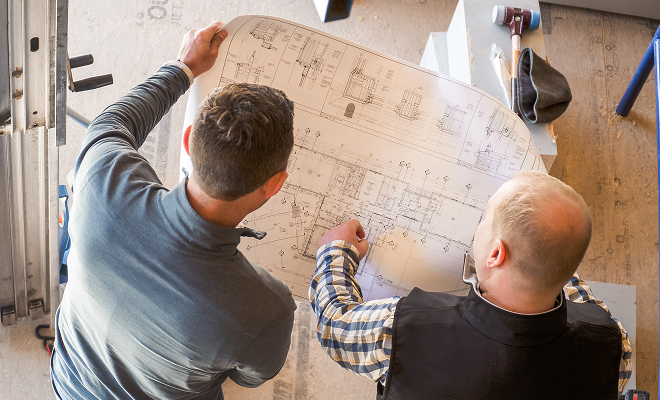
Permitting timelines on Cape Cod can run six to eighteen months depending on the regulatory path a project requires. Projects near wetlands require Conservation Commission approval, which includes a public input period. Projects in neighborhoods with architectural review committees or historic district overlays add another layer of review. We manage the full permitting process and give clients a realistic picture of the timeline from the start so they can plan accordingly.
Bright sunlit staircase landing with white railings and a large decorative light
Featured Project

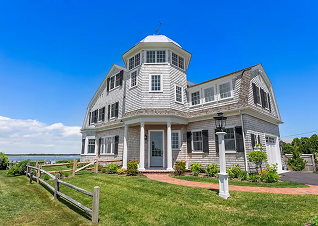
Harbor Sunset

Custom Home | Barnstable, MA
View Project

Frequently Asked Questions

How long does it take to build a custom home on Cape Cod?
It depends on the scope, site conditions, and regulatory path. From pre-construction planning through completion, a custom residential build typically spans one to three years when accounting for design, permitting, and construction phases. Permitting alone can run six to eighteen months for projects with Conservation Commission involvement.
What permits are required for new home construction on Cape Cod?
Most new construction requires a building permit and, for many sites, Conservation Commission approval under the Massachusetts Wetlands Protection Act. Projects in FEMA flood zones must meet flood zone compliance requirements. Some towns add historic district or zoning overlay review. The specific requirements depend on the property's location and the scope of the project.
How do I choose a builder for a custom home on Cape Cod?
Look for documented local regulatory knowledge, not just general construction experience. Ask specifically how they handle Conservation Commission permitting, how they communicate budget changes, and whether you'll be working directly with the principals throughout the project.
Do you build commercial projects on Cape Cod?
Yes, selectively. We take on boutique commercial projects that align with our expertise in high-end construction and Cape Cod regulatory navigation. Ready to talk through your project? Give us a call or send us a note. We'll walk through your site, your goals, and what it will realistically take to get there.

Connect with Our Team

Ready to talk through your project? We'll walk through your site, your goals, and what it will realistically take to get there.

Thank you! Your submission has been received!
Oops! Something went wrong while submitting the form.

Join the O'Neill Bowes Mailing List

Planning a residential construction project on the Cape? Get straight answers about Cape Cod construction, delivered to your inbox. We cover what we know and what we've learned along way.

A Lite Studio Production