Home Additions and Renovations on Cape Cod

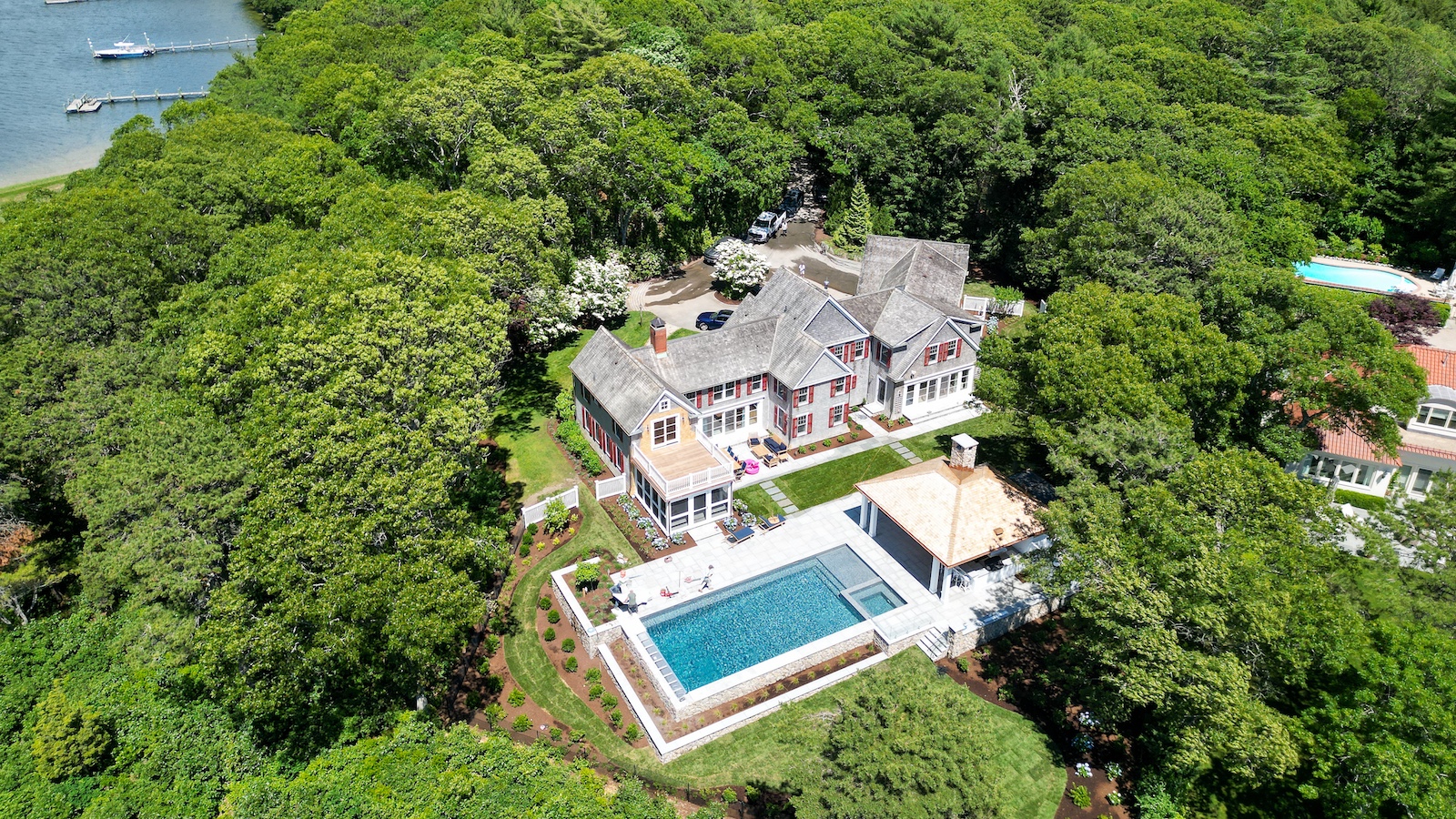
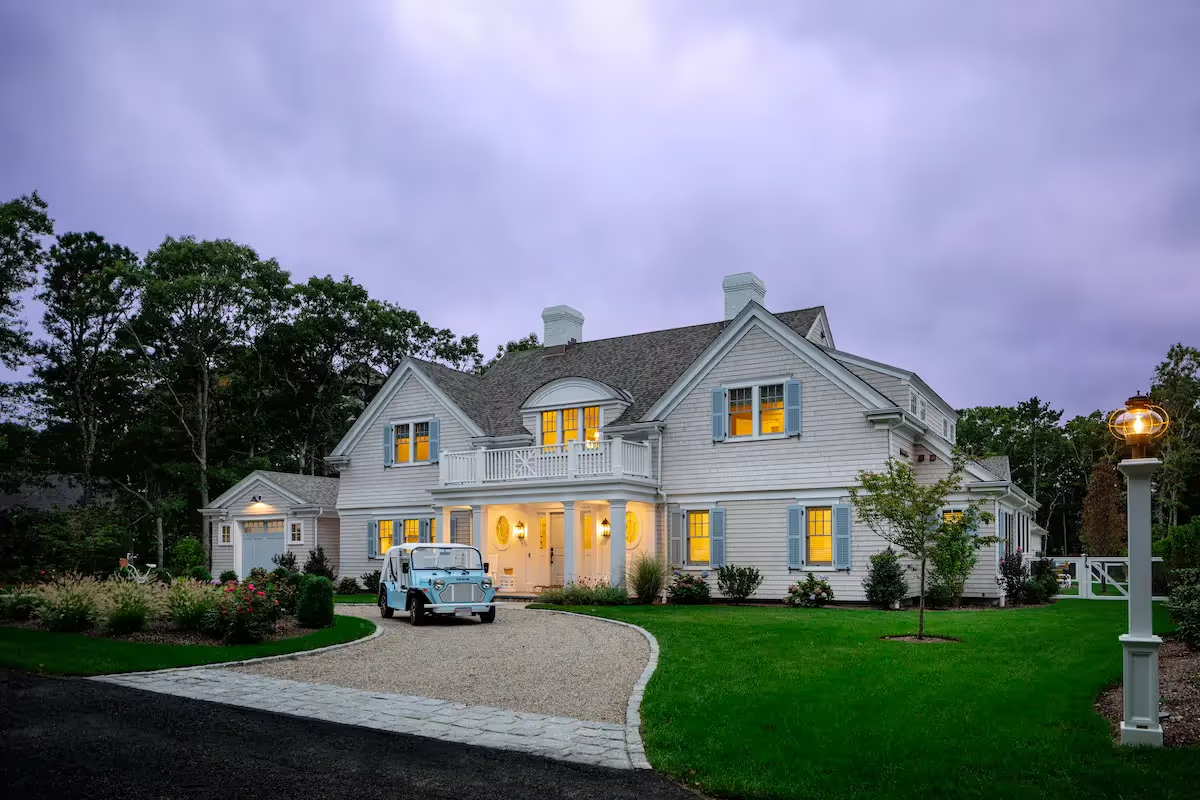
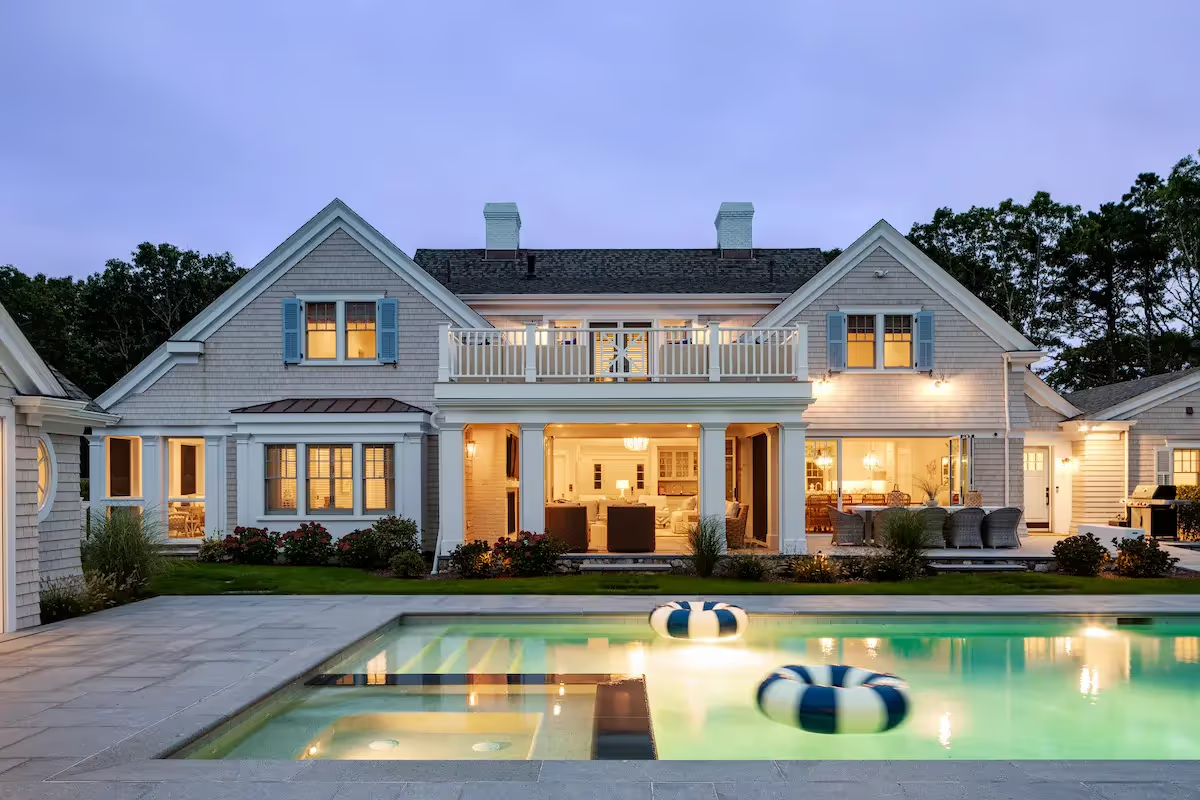
O'Neill Bowes handles additions and renovations across Cape Cod, from straightforward room additions to complex architectural expansions that need to read as if they were always part of the original structure. Our work spans Cape-style homes, Gambrel-roof houses, Colonials, and historic properties with their own set of preservation considerations. The goal is always the same: the addition should belong there.
Adding onto or renovating a home on Cape Cod is rarely as simple as it looks on paper. The projects that go smoothly are almost always the ones where the complexity was identified and planned for before construction started, not discovered once it was already underway.

Integration with the Existing Structure

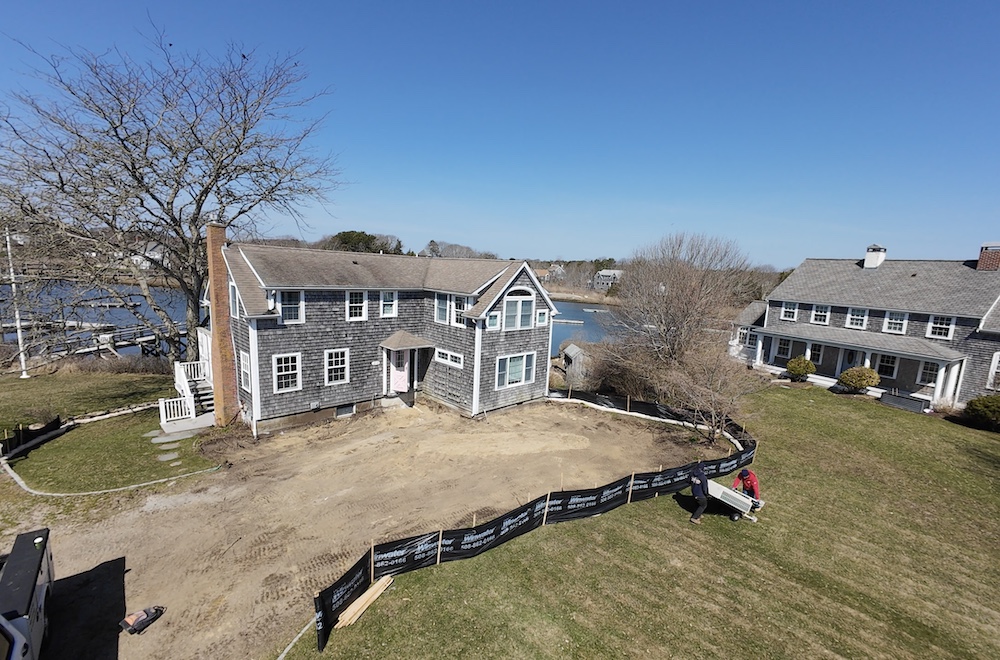
The construction side of an addition is only part of the challenge. The addition also needs to look like it was built at the same time as the rest of the house. That means matching rooflines, siding profiles, window proportions, trim details, and pitch. It means understanding how the original structure was built and what it will take to tie into it cleanly.

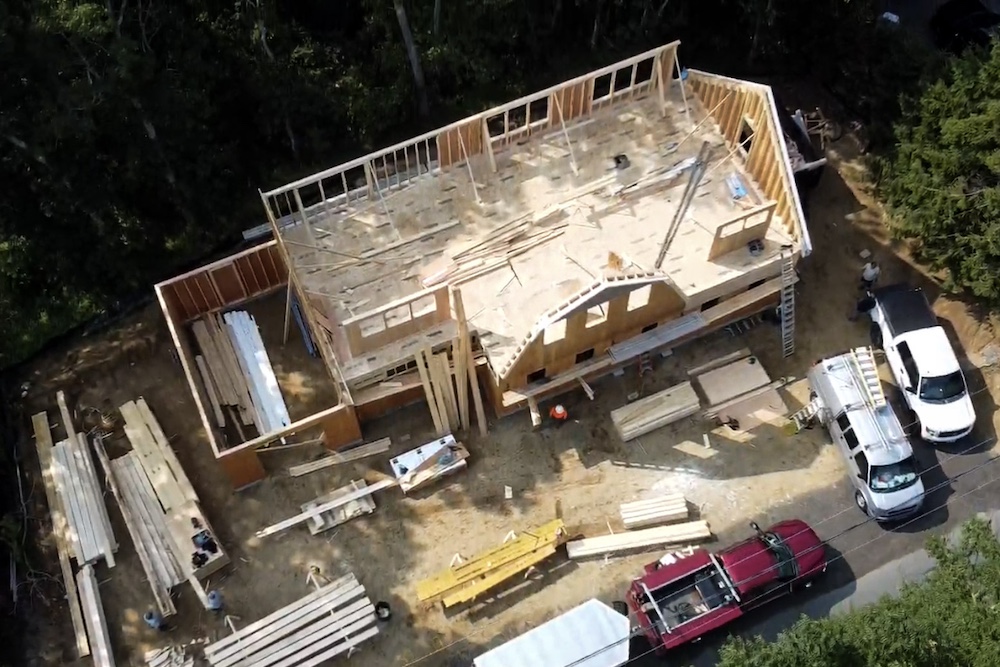
A recent Cotuit Gambrel-roof conversion shows how much thought goes into this. The project involved raising part of the roofline to cathedral ceilings at the center while adding dormers on the sides for light and floor area. The result opened up the upper floor as usable living space while the exterior kept its Gambrel character, matching shingles, trim, and pitch. Nothing about it reads as an afterthought.
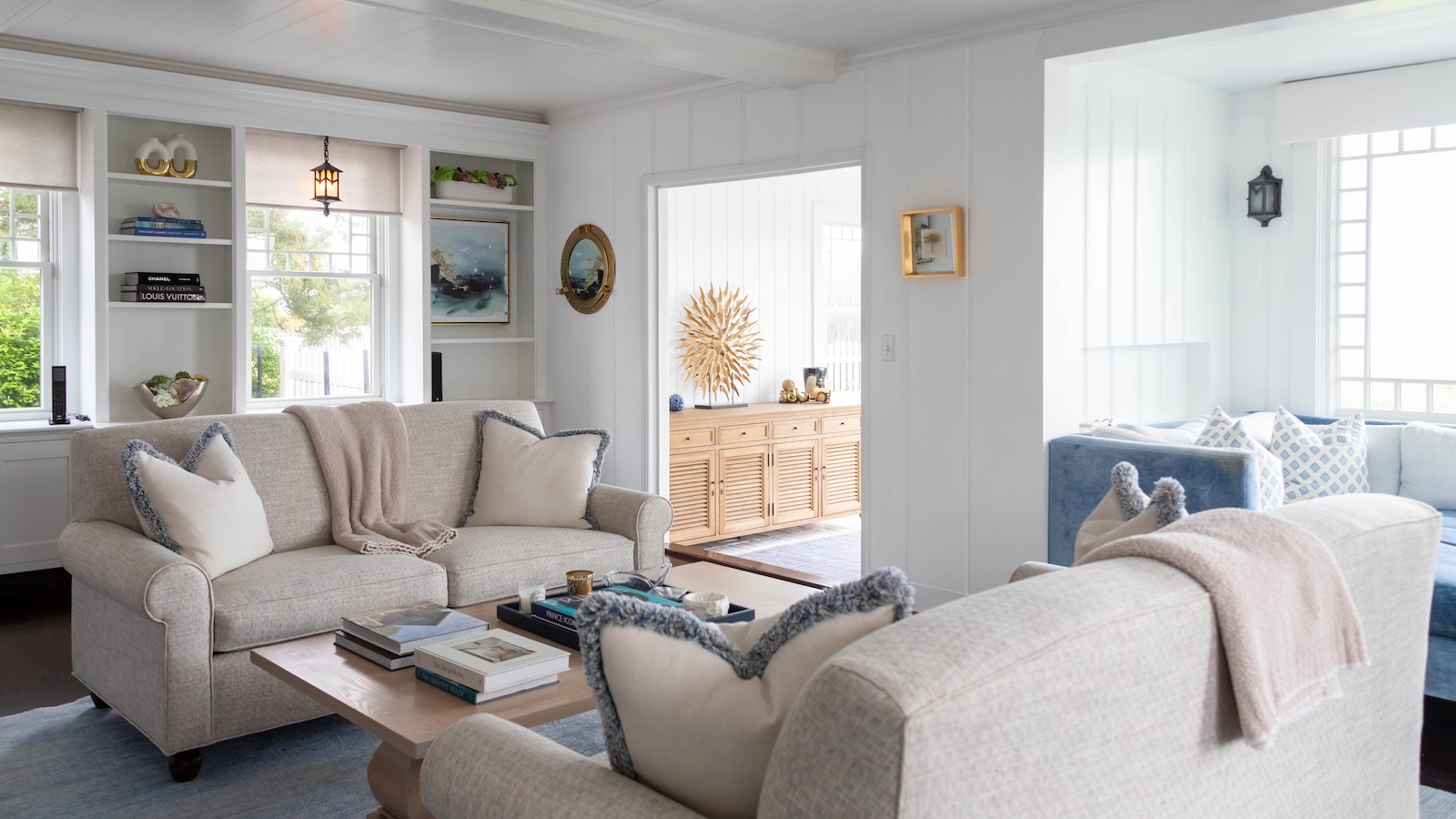
Brightly lit modern dining room

What Makes Cape Cod Additions Complicated

Several factors specific to the Cape regularly shape what's possible with an addition and how the project needs to be structured.

Septic systems are one of the most common issues. Title 5 and local Board of Health regulations tie septic system capacity to bedroom count. Adding bedrooms or bathrooms can trigger a full system upgrade, and the leach field for a new or expanded system needs space on the lot. If that footprint isn't part of the site plan from the beginning, the addition layout may need to be redrawn later. We look at septic capacity in pre-construction for every project that adds habitable space.

The Massachusetts Stretch Energy Code is another factor that surprises many homeowners. Additions or renovations over 1,000 square feet can trigger a full energy retrofit on the existing house, covering insulation, windows, and mechanicals. Knowing that threshold in advance shapes how the project is scoped and budgeted.

Zoning setbacks, lot coverage ratios, and historic district overlays vary by town and sometimes by neighborhood. What's permitted in Osterville may not be permitted in Chatham. We know the specific rules for the towns we work in, which means fewer surprises when the permit application goes in.

Design Flexibility

We work with your design or with your designer. We don't have a house style we're trying to apply. Any material, any design direction, adapted to your vision and the specific character of your home. Our job is to execute the project well, not to steer it toward what's easiest for us.
Featured Project

Osterville Retreat

Custom Home | Osterville, MA
View Project

Frequently Asked Questions

Do I need a permit for a home addition on Cape Cod?
Yes. Home additions require a building permit, and depending on the site, may also require Conservation Commission approval, Board of Health sign-off if septic capacity is affected, and in some cases a zoning variance. The specific requirements depend on the property's location and the scope of the addition.
How do home additions affect septic systems on Cape Cod?
Adding bedrooms or bathrooms increases the required capacity of a Title 5 septic system. If the existing system is undersized for the new bedroom count, an upgrade is required, and the leach field footprint needs to be part of the site plan. We assess septic capacity in pre-construction on every project that adds
habitable space.
Can I add onto a Cape Cod-style home without it looking like an addition?
Yes, with careful attention to roofline integration, material matching, window proportion, and trim detail. The goal is for the addition to read as part of the original structure. It takes planning and the right builder, but it's absolutely achievable.
What triggers the Massachusetts Stretch Energy Code on a renovation or addition?
Additions or renovations over 1,000 square feet can trigger a full energy retrofit on the existing house under the Massachusetts Stretch Energy Code, covering insulation levels, window performance, and mechanical systems. Knowing this threshold in advance is part of how we scope and budget every project.

Connect with Our Team

Every project on the Cape is different. Tell us about yours and we'll give you a straight answer about what it involves.

Thank you! Your submission has been received!
Oops! Something went wrong while submitting the form.

Join the O'Neill Bowes Mailing List

Planning a residential construction project on the Cape? Get straight answers about Cape Cod construction, delivered to your inbox. We cover what we know and what we've learned along way.

A Lite Studio Production